

Important Notice: Risks of Using Expired Medications Using expired medications can pose significant health risks. It is crucial to be aware that the efficacy of these drugs may diminish over time, potentially leading to ineffective treatment or adverse reactions. Always check the expiration date on medication labels and safely dispose of any expired products to ensure your health and safety. Prioritize your well-being by staying informed and managing your medications responsibly.
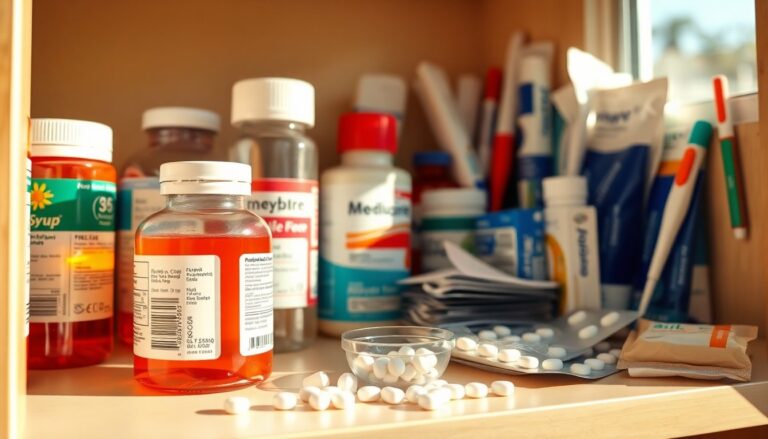
Items often tucked away in the back of a medicine cabinet can easily be overlooked, particularly those that are rarely used. However, it is crucial to regularly review these items, especially any that have surpassed their expiration dates. Experts stress that using expired medications can be harmful, as these products may lose their effectiveness and pose health risks.
This article examines the significance of monitoring the lifespan of medicinal products, the potential dangers of using expired items, and how to effectively manage your medicine cabinet for optimal safety and health.
The importance of expiration dates
Every medication and health-related product comes with an expiration date, a vital detail indicating the time until the manufacturer can guarantee the full potency and safety of the item.
After this date, the medication’s effectiveness may diminish, meaning it may not work as intended when needed most.
Understanding expiration dates
To grasp the importance of expiration dates, it is essential to understand what they represent. An expiration date is not merely a suggestion; it reflects the period during which the manufacturer has tested and confirmed the product’s efficacy.
Using medications beyond this date could lead to inadequate treatment, particularly in cases of chronic illnesses or emergencies.
For instance, if a bottle of antibiotics expired a year ago, taking them for a serious infection could result in insufficient treatment, leading to complications that might have been avoided.
Risks associated with expired medications
Using expired medications can result in various consequences, from reduced effectiveness to potentially dangerous side effects. While some medications may simply lose potency over time, others can undergo chemical changes that produce harmful effects.
Potential health hazards
Risks include allergic reactions or adverse effects caused by degraded ingredients. For example, a medication like epinephrine, used in emergencies for allergic reactions, may not work effectively after its expiration date, potentially jeopardizing health.
Moreover, certain medications, particularly those that are temperature-sensitive, can degrade faster than their expiration dates suggest. Storing them in unsuitable conditions, such as a humid bathroom, can further accelerate this degradation.
How to manage your medicine cabinet effectively
To ensure safety, maintaining an organized medicine cabinet is essential. Regularly checking for expired items and disposing of them properly can help avoid risks associated with using outdated medications. Here are a few practical tips:
Regular audits
Schedule routine checkups of your medicine cabinet every six months. During these audits, look for expired products and assess whether any medications are still necessary. Dispose of items that are past their prime and consider replacing essential medications.
Safe disposal methods
This article examines the significance of monitoring the lifespan of medicinal products, the potential dangers of using expired items, and how to effectively manage your medicine cabinet for optimal safety and health.0
This article examines the significance of monitoring the lifespan of medicinal products, the potential dangers of using expired items, and how to effectively manage your medicine cabinet for optimal safety and health.1
This article examines the significance of monitoring the lifespan of medicinal products, the potential dangers of using expired items, and how to effectively manage your medicine cabinet for optimal safety and health.2
