

Explore the rich history and vibrant culture that define modern-day United Kingdom.
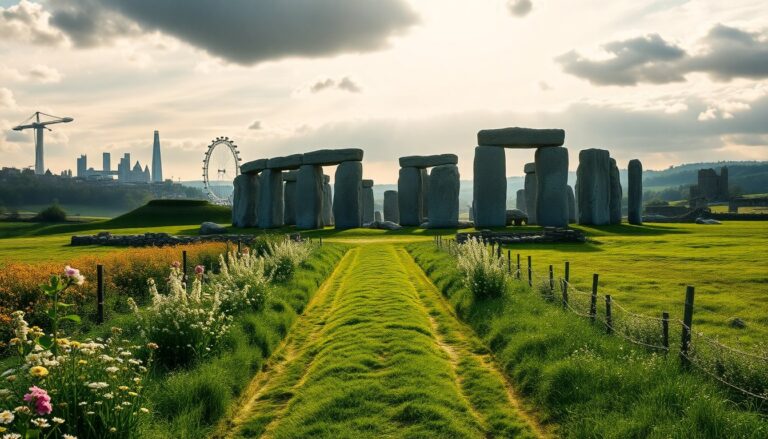
The United Kingdom boasts a rich history and culture, with narratives stretching back thousands of years. From the ancient Stonehenge to the modern skyline of London, the UK offers a unique blend of past and present. This article explores the historical milestones that have shaped the UK and the cultural tapestry that continues to evolve.
The historical evolution of the UK
The history of the UK is marked by significant events that have defined its identity. One of the earliest milestones was the Roman invasion in AD 43, introducing new technologies and governance structures. The Norman Conquest in 1066 further transformed the landscape, establishing feudalism and iconic castles.
The impact of the Industrial Revolution
By the late 18th century, the Industrial Revolution began to reshape the UK once again. This period marked a dramatic shift from agrarian societies to industrial powerhouses, leading to urbanization and the rise of the working class.
Cities like Manchester and Birmingham became symbols of industrial innovation, contributing significantly to the global economy.
The repercussions of the Industrial Revolution were profound, altering the economic landscape and affecting social structures. Labor movements emerged as workers fought for rights and better working conditions, laying the groundwork for modern labor laws.
The cultural landscape of the UK
The UK is renowned for its vibrant culture, with the arts, literature, and music integral to British identity. The works of William Shakespeare, Jane Austen, and Charles Dickens continue to influence writers and playwrights globally. British literature is celebrated for its diversity and depth, reflecting the complexities of society.
The influence of music and entertainment
In music, the UK has produced some of the most iconic bands and artists in history, from The Beatles to Adele. The British music scene is characterized by innovation and adaptability, spawning various genres such as rock, punk, and electronic music.
Additionally, the UK is home to a thriving entertainment industry, with London as a major hub for theater. The West End showcases world-class performances, drawing audiences from around the globe. This blend of traditional and contemporary entertainment captures the essence of British culture.
The UK’s diverse communities
Another defining feature of the UK is its multicultural society. Over the decades, immigrants from various parts of the world have settled in the UK, enriching its culture and contributing to a dynamic social fabric. The presence of diverse communities has facilitated an exchange of traditions, cuisines, and languages, making cities like London, Birmingham, and Manchester melting pots of cultural experiences.
Celebrations such as Notting Hill Carnival and Diwali highlight the rich tapestry of cultures coexisting in the UK. These events not only celebrate cultural heritage but also promote inclusivity and understanding among different communities.
The modern UK: Challenges and opportunities
As the UK continues to evolve, it faces new challenges and opportunities. The Brexit decision in 2016 marked a pivotal moment in its contemporary history, raising questions about its future in a globalized world. This movement has sparked debates on identity, sovereignty, and economic implications, leading to a reassessment of what it means to be British today.
The history of the UK is marked by significant events that have defined its identity. One of the earliest milestones was the Roman invasion in AD 43, introducing new technologies and governance structures. The Norman Conquest in 1066 further transformed the landscape, establishing feudalism and iconic castles.0
The history of the UK is marked by significant events that have defined its identity. One of the earliest milestones was the Roman invasion in AD 43, introducing new technologies and governance structures. The Norman Conquest in 1066 further transformed the landscape, establishing feudalism and iconic castles.1
