

Explore the rich tapestry of history and cultural diversity within the United Kingdom.
The United Kingdom is a nation rich in cultural history that has significantly shaped the world. With a diverse population and a complex past, the UK serves as a melting pot of traditions, languages, and arts. This article explores various facets of UK culture, examining its historical roots and contemporary expressions.
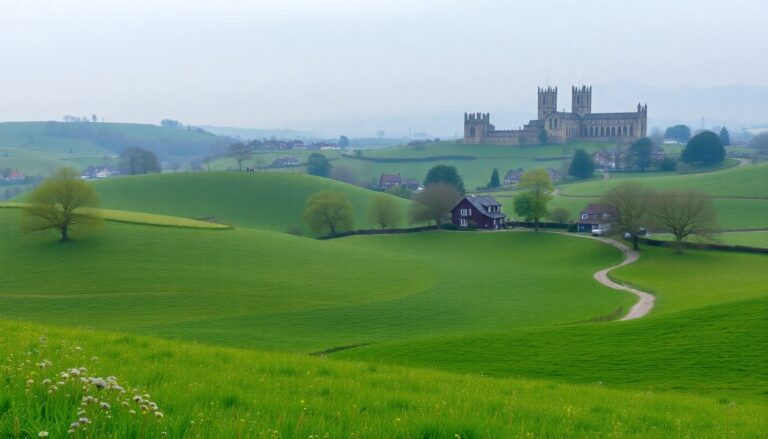
From the rolling hills of the English countryside to the bustling streets of London, the UK provides profound insights into the human experience. Historical events such as the Industrial Revolution, the British Empire, and the two World Wars have shaped both the country and its cultural identity.
Understanding these influences is essential for appreciating the UK’s current societal dynamics.
Historical influences on UK culture
To grasp the cultural fabric of the UK, one must consider its historical influences. The UK has been a stage for significant events, from the Roman invasion to the Norman Conquest, each leaving a lasting mark on its cultural landscape.
Traditions and practices have evolved over centuries, reflecting the changing tides of history.
The British Empire and its legacy
The British Empire, at its height, was the largest empire in history, and its influence is still evident today. The empire facilitated the exchange of ideas, languages, and customs across continents. This period introduced various cultural elements into the UK, including cuisine, music, and art from colonized nations. For instance, the popularity of curry in British cuisine stems directly from cultural exchanges during the colonial period.
Moreover, the legacy of the empire is reflected in the UK’s multicultural society. Cities like London, Birmingham, and Manchester feature diverse populations, contributing to a rich tapestry of cultural expressions. Festivals celebrating different heritages, such as the Notting Hill Carnival and Diwali, exemplify this diversity and foster community spirit.
Modern cultural expressions
In contemporary times, UK culture continues to evolve, influenced by both internal dynamics and global trends. The rise of the digital age has transformed how art, music, and literature are produced and consumed. The music industry in the UK has become a powerhouse, yielding global icons like The Beatles, Adele, and Ed Sheeran.
The role of literature and arts
Literature has always played a pivotal role in defining UK culture. From the works of William Shakespeare to the modern novels of authors like J.K. Rowling, literature reflects the changing values and issues of society. Literary festivals across the UK celebrate this rich heritage, attracting thousands of book lovers and writers alike.
The arts scene in the UK is equally vibrant, with institutions like the British Museum and the Tate Modern displaying both historical artifacts and contemporary art. This blend of the old and new underscores the UK’s ability to honor its past while embracing innovation.
Cultural challenges and future directions
Despite its rich cultural heritage, the UK faces several challenges. Issues of identity, particularly in light of recent events such as Brexit, have sparked debates about what it means to be British in a multicultural society. The migration debate remains contentious as the UK grapples with its historical role as a nation of immigrants.
Looking ahead, the future of UK culture will likely be shaped by these ongoing discussions. Embracing diversity while fostering unity will be key to navigating the complexities of modern identity. As the UK continues to evolve, its cultural landscape will reflect these changes, offering new narratives and expressions.
