

Professional Summary Dynamic professional adept at leveraging incidents to drive community transformation and enhance resilience. Experienced in identifying vulnerabilities within systems and implementing strategic changes to foster growth and improvement. Committed to promoting proactive measures that empower communities and facilitate sustainable development.
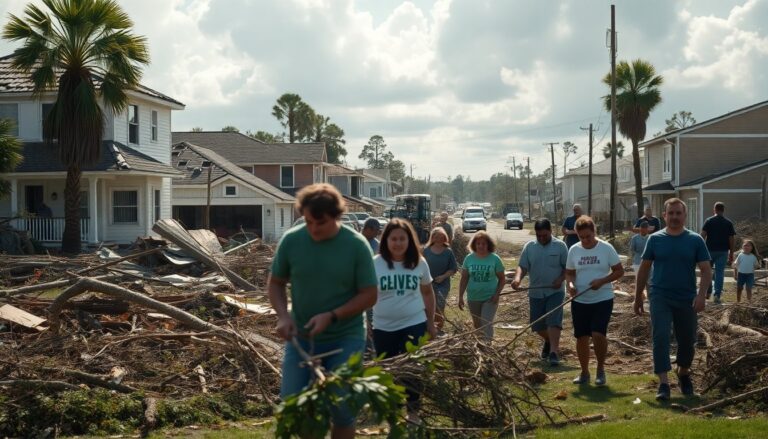
Incidents, whether they are natural disasters, accidents, or human-made crises, have profound implications for society. They disrupt community life and challenge existing safety protocols and response strategies. Understanding the impact of such incidents is crucial for developing effective prevention and response measures.
Various incidents have highlighted the vulnerabilities within our communities. From the devastating effects of hurricanes to unexpected industrial accidents, these events prompt significant conversations about community preparedness and resilience. This article explores the multifaceted impacts of incidents on society, focusing on lessons learned and changes implemented in response.
The facts
The aftermath of an incident often sees a surge in community engagement and an urgent need to address immediate challenges. When a significant event occurs, the initial response is crucial in mitigating further damage and ensuring safety. Emergency services play a vital role during this phase by providing aid and assessing the situation.
Their prompt action can save lives and secure resources for recovery.
Psychological impacts on communities
Incidents can have lasting psychological effects on individuals and communities. The trauma associated with experiencing a disaster or crisis can lead to conditions such as post-traumatic stress disorder (PTSD), anxiety, and depression. Mental health support becomes essential in helping affected individuals cope. Community programs often emerge in the wake of incidents, providing platforms for individuals to share their stories and receive necessary support.
Long-term community changes
In the long term, incidents can lead to significant changes in community dynamics and safety protocols. The realization of vulnerabilities prompts local governments and organizations to reassess their preparedness plans. For example, after a major flood, a community may invest in better infrastructure improvements to prevent future occurrences, such as constructing levees, improving drainage systems, or establishing early warning systems.
Policy development and disaster preparedness
The lessons learned from incidents often translate into updated policies and practices. Policymakers are tasked with finding ways to enhance community safety and resilience. This may involve increased funding for emergency management training, public awareness campaigns, or implementing stricter regulations for industries prone to accidents. Furthermore, creating community response teams can facilitate quicker, more coordinated efforts during emergencies.
Community involvement and resilience building
One significant impact of incidents is how they galvanize community involvement. Residents often come together in the wake of a disaster, fostering solidarity and mutual support. Volunteer organizations and grassroots movements frequently emerge to assist those affected and advocate for necessary changes.
Building resilience within a community is essential for long-term recovery. Programs focused on disaster preparedness education empower residents to take proactive measures, ensuring they are equipped to handle future incidents. Workshops, simulations, and outreach initiatives can enhance community knowledge and readiness, ultimately leading to a safer environment.
Incidents serve as a stark reminder of the vulnerabilities within our communities. While the immediate impact can be devastating, the long-term effects often lead to significant changes in policies, practices, and community dynamics. By understanding these implications, we can better prepare for future incidents, ensuring a more resilient society. The ongoing dialogue about safety, preparedness, and community involvement is key to fostering a culture that prioritizes both individual and collective well-being.
