

Explore the Rich History and Diverse Culture of the United Kingdom
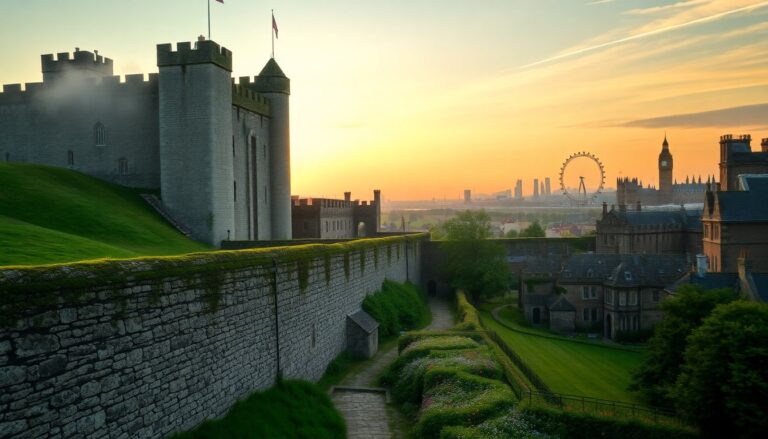
The United Kingdom (UK) is a nation rich in history and cultural diversity. Its roots extend back to ancient times, evolving into a complex society that has profoundly influenced global affairs. From the iconic landmarks of London to the serene hills of the countryside, the UK presents a rich tapestry of experiences reflecting its deep heritage and modern evolution.
This exploration delves into the UK’s historical milestones, cultural influences, and the ongoing changes that shape its identity. By examining these factors, we gain a clearer understanding of what makes the UK a unique entity on the global stage.
A historical overview of the United Kingdom
The history of the UK is marked by monarchies, wars, and colonial endeavors. The formation of the United Kingdom began in 1707 with the Acts of Union, which unified England and Scotland, followed by Ireland’s inclusion in 1801. This amalgamation created a powerful nation-state that played a significant role in world history, especially during the Victorian era.
Key historical events
Several key events have shaped the trajectory of the UK. The Industrial Revolution in the late 18th and early 19th centuries marked a significant shift from agrarian economies to industrialized nations, resulting in rapid urbanization and economic growth. Additionally, the two World Wars had profound impacts on the UK, leading to loss, reconstruction, and a reevaluation of its global status.
Moreover, the decolonization process following World War II led to the independence of many nations that were once part of the British Empire. This transition not only altered the political landscape but also prompted a re-examination of national identity within the UK.
Cultural diversity and influences
The cultural landscape of the UK is notably diverse, shaped by various ethnicities, traditions, and languages. The presence of immigrant communities from across the globe has enriched the cultural fabric, creating a melting pot of ideas and customs. London, for instance, is renowned for its multicultural environment, where over 300 languages are spoken.
Art and literature
The UK boasts a long-standing tradition in art and literature, producing some of the world’s most celebrated artists and writers. Figures such as William Shakespeare, Charles Dickens, and Virginia Woolf have made lasting contributions to literature, while artists like J.M.W. Turner and David Hockney have significantly influenced the visual arts. The British Museum and the Tate Modern exemplify institutions that celebrate this rich artistic heritage.
Furthermore, the UK is recognized for its contributions to music, spanning genres from classical to rock, which have impacted global music trends. Bands such as The Beatles and Queen have left a significant cultural imprint, and the UK’s music festivals, like Glastonbury, attract audiences from around the world.
Modern challenges and changes
As the UK navigates the complexities of the modern world, it faces several challenges that test its unity and cultural identity. The Brexit referendum in 2016 marked a pivotal moment, igniting debates over sovereignty, immigration, and economic policy. The consequences of this decision continue to shape the political landscape.
Moreover, the UK is confronting issues such as climate change, social inequality, and the impact of technology on society. Addressing these challenges requires ongoing dialogue about the future and how the UK can adapt while preserving its rich heritage.
This exploration delves into the UK’s historical milestones, cultural influences, and the ongoing changes that shape its identity. By examining these factors, we gain a clearer understanding of what makes the UK a unique entity on the global stage.0
