

Gary Neville: Insights on Societal Division and Community Relations Gary Neville's perspectives on societal division ignite a crucial dialogue regarding community relations. His analysis highlights the pressing need for unity and understanding in an increasingly fragmented society. By addressing the root causes of division, Neville encourages constructive discussions that foster collaboration and inclusivity within communities. His commitment to promoting social cohesion serves as a catalyst...
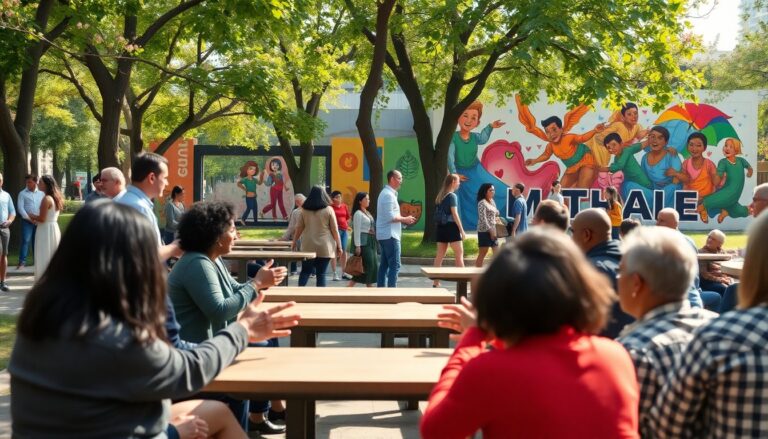
In a recent discussion about societal tensions, former England footballer Gary Neville expressed significant concerns regarding the impact of division within communities. His remarks have initiated a crucial dialogue about the responsibilities of individuals and leaders in promoting unity. The current climate, characterized by heightened polarization, particularly among certain demographics, has elicited responses from various community figures, including the minister for faith and communities, Miatta Fahnbulleh.
During an appearance on ITV’s Good Morning Britain, Fahnbulleh agreed with Neville’s observations. She highlighted the adverse effects of division, noting that many people across the UK feel marginalized and strained due to economic hardships and social challenges. “Life is really tough for people across our communities,” she stated, emphasizing the necessity to address the sources of conflict rather than perpetuate them.
Understanding the roots of division
Neville’s reflections followed an incident at the Heaton Park Hebrew Congregation Synagogue in Manchester, which had been attacked. This incident underscored the urgent need to recognize and counteract the factors that incite division among various groups.
In a heartfelt post on LinkedIn, Neville recounted his decision to remove a Union flag from one of his property developments, stating, “The flag being used in a negative fashion is not right.”
Calls for unity amidst turmoil
The former Manchester United defender articulated a vision for a return to a society characterized by love and harmony. He expressed concern that the recent political climate, particularly stemming from the Brexit vote, has exacerbated societal rifts. “Brexit has had a devastating impact on this country, and the messaging is getting dangerous,” he remarked, referencing the escalating tensions fueled by divisive narratives.
Fahnbulleh echoed Neville’s sentiments, asserting that while division exists among different communities, it is vital to focus on the majority of individuals who are “decent, tolerant, and welcoming.” She called for a concerted effort from the government to confront those who actively seek to sow discord and promote hatred, emphasizing the importance of building bridges between communities.
The societal impact of division
A key point made by both Neville and Fahnbulleh is that division is not confined to a single demographic. Rather, it permeates various groups, leading to a shared responsibility to combat it. Fahnbulleh noted, “We’re seeing a division, and it’s not concentrated in any particular group.” She emphasized that the broader narrative should focus on understanding and addressing the root causes of these tensions.
Addressing misconceptions about division
When questioned about the nature of the attack that prompted Neville’s comments—an attack not carried out by a member of the demographic he criticized—Fahnbulleh acknowledged the complexity of the issue. “The vast majority of people are decent, tolerant, welcoming people that do not want this in their name,” she reiterated, encouraging a shift in focus towards collaboration and understanding.
Both Neville and Fahnbulleh advocate for a united front against the forces that perpetuate division. They stress that to build a more cohesive society, it is essential to counteract the narratives of hate and division propagated by a minority. By doing so, communities can foster an environment of acceptance and respect.
Ultimately, Neville’s call for a return to a spirit of togetherness serves as a reminder that societal challenges require collective action. As individuals, community leaders, and government officials work collaboratively, they can pave the way for a more inclusive and supportive society, where the emphasis lies on collaboration rather than conflict.
