

Understanding the Impact of Incidents on Community Dynamics and Safety Analyze how various incidents shape community interactions and influence overall safety. Explore the social, economic, and psychological effects of incidents on community cohesion. Identify strategies for enhancing community resilience and safety in response to incidents.
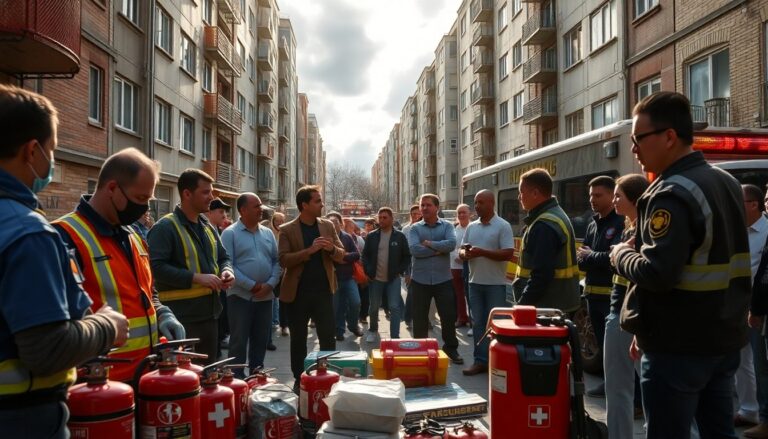
Incidents, ranging from minor accidents to significant emergencies, are vital in shaping community safety and awareness. Understanding these events is crucial for local authorities and residents, as their implications can affect the entire community. This article examines the various types of incidents, their influence on public perception, and how they can lead to adjustments in safety measures.
The facts
Incidents can be categorized into several types, including natural disasters, man-made events, and criminal activities. Each category presents unique challenges and necessitates specific responses.
Natural disasters
Natural disasters, including earthquakes, floods, and hurricanes, inflict widespread damage and disrupt countless lives.
These events often galvanize community solidarity, as residents unite to provide support and assistance. However, they also reveal critical gaps in a community’s emergency preparedness and response strategies, underscoring the need for improved systems to handle such crises effectively.
Man-made events
Man-made events encompass incidents like industrial accidents and transportation mishaps, including train derailments and chemical spills. These situations necessitate a coordinated response from emergency services and raise significant public concerns about safety regulations and oversight. Following such events, investigations are commonly launched to avert future incidents, potentially leading to stricter safety protocols and enhanced regulatory measures.
The psychological impact of incidents
Incidents can profoundly affect not just physical safety but also the psychological well-being of community members. The emotional aftermath of witnessing or hearing about a traumatic event can persist long after the incident is resolved.
Community awareness and vigilance
Following an incident, community awareness often increases significantly. Residents may become more alert to their surroundings and more involved in local safety initiatives. This heightened awareness can foster the creation of community watch programs, enhance communication with local law enforcement, and promote active participation in emergency preparedness drills.
Long-term effects on policy and infrastructure
Incidents can lead to substantial changes in public policy and infrastructure over time. For example, if multiple traffic accidents occur at a specific intersection, local authorities may respond by redesigning the roadway to enhance safety. Similarly, following a natural disaster, governments might allocate funds for improved disaster response systems and community resilience initiatives.
Case studies of incidents and their resolutions
Analyzing real-life case studies offers important insights into how incidents can enhance community safety. For instance, after a significant flood, a city may adopt a comprehensive flood management strategy. This could include upgrading drainage systems and providing community education on flood preparedness.
The facts
Community response initiatives often emerge in the aftermath of significant incidents. Local governments typically join forces with non-profit organizations to deliver essential resources and support. These initiatives may encompass mental health services for affected individuals, workshops on emergency preparedness, and community forums designed to address safety concerns.
The consequences
Enhancing community resilience is vital for effective recovery from incidents. Programs focused on building resilience generally emphasize education, resource sharing, and cultivating strong relationships among residents. By equipping individuals with the necessary knowledge and tools, communities can better mitigate the effects of future events.
Understanding the various types of incidents and their consequences is vital for enhancing community safety. Residents play a crucial role in safety initiatives and policy changes, which can significantly improve community resilience. Recognizing the psychological impact of incidents fosters a proactive approach. This preparation helps communities tackle challenges effectively.
