

Explore the Rich History and Dynamic Culture of England
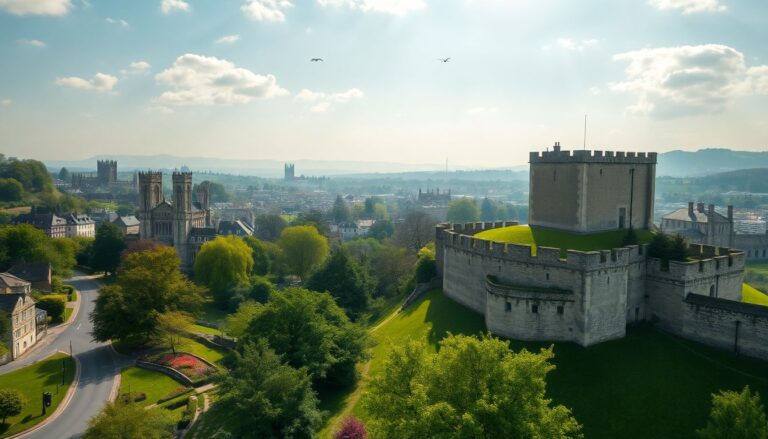
England, recognized for its rich history and cultural heritage, provides a unique insight into the evolution of Western civilization. From its pivotal role in global politics to its contributions in literature, music, and art, England exemplifies the profound impact that one nation can exert on the world stage.
This article explores the intricate tapestry of England’s past and present, highlighting how its history continues to shape its cultural identity.
The historical significance of England
England’s history spans thousands of years, with evidence of human habitation dating back to the Paleolithic era.
The Roman conquest in AD 43 marked a crucial turning point, introducing advanced infrastructure, governance, and culture. Remnants from this period, such as Hadrian’s Wall and various Roman baths, continue to attract historians and tourists alike.
Medieval England and the rise of the monarchy
After the Romans departed, England entered a tumultuous phase known as the Dark Ages, characterized by invasions from the Saxons, Vikings, and Normans. The Norman Conquest of 1066 was particularly significant, establishing a feudal system and leading to the construction of iconic structures like the Tower of London. These castles served not only as defensive fortifications but also as symbols of royal power.
England’s cultural contributions
As England evolved, so did its contributions to global culture. The literary prowess of England is perhaps its most celebrated achievement, featuring figures such as William Shakespeare and Charles Dickens, whose works have left an indelible mark on literature. Shakespeare, often hailed as the greatest playwright of all time, introduced themes and characters that continue to resonate today.
The Industrial Revolution and its impact
The Industrial Revolution, beginning in the late 18th century, fundamentally transformed England’s economy and society. This period marked a transition from agrarian economies to industrialized ones, leading to urbanization and significant technological advancements. The emergence of factories and the introduction of steam power revolutionized not only England, but the entire world. This era also spurred a new wave of artistic movements, including Romanticism, which emphasized emotion and nature in reaction to industrialization.
Modern England and its global influence
Today, England represents a melting pot of cultures, reflecting its colonial past and contemporary global connections. At its height, the British Empire was the largest empire in history, spreading English culture, language, and governance worldwide. Although the empire has dissolved, its legacy persists in the widespread use of the English language and the adoption of British legal systems in numerous countries.
Modern England continues to impact global culture through its music, fashion, and cinema. From the Beatles to Harry Potter, contemporary England has produced cultural phenomena that resonate around the globe. Festivals, art exhibitions, and theater productions illustrate the dynamic nature of English culture, continually shaping and reshaping its identity.
Moreover, England’s commitment to preserving its heritage is evident in its numerous museums, galleries, and historical sites. Institutions like the British Museum and the Tate Modern house invaluable collections that highlight both the historical and contemporary significance of English art and culture.
