

Explore the Rich Cultural Tapestry of Contemporary UK.
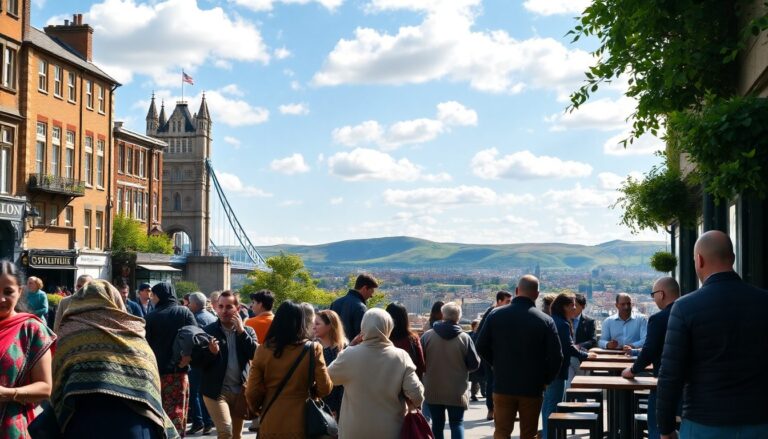
The United Kingdom (UK) boasts a profound historical narrative, woven with a variety of cultures, languages, and traditions. From the lively streets of London to the tranquil beauty of the Scottish Highlands, the UK provides a multifaceted cultural experience that mirrors its intricate past.
Grasping the historical influences that have molded modern Britain is crucial for appreciating its current social dynamics.
The historical backdrop of the UK
The history of the UK is characterized by pivotal events that have significantly shaped its culture. The Roman invasion in 43 AD brought forth new architectural styles, languages, and customs that would develop over time.
Following the Romans, the Anglo-Saxon period established the foundation for the English language, during which various kingdoms emerged, each enriching the diverse cultural landscape.
The Norman conquest
One of the most pivotal moments in UK history was the Norman conquest of 1066.
This event transformed the political and social structure of England. The Normans introduced a new language—Old Norman—which played a significant role in the evolution of Middle English. Additionally, the introduction of feudalism reshaped land ownership and governance, leading to profound cultural shifts.
Diversity through migration
As the UK evolved, waves of immigration contributed to its cultural diversity. The Industrial Revolution in the 18th and 19th centuries attracted individuals from various regions, including Ireland and Wales, as well as from former colonies. This influx enriched the UK’s cultural heritage, introducing new traditions, cuisines, and languages.
The impact of the Commonwealth
The dissolution of the British Empire in the mid-20th century resulted in a profound transformation of cultural dynamics. Many individuals from former colonies, including India, Pakistan, and Caribbean nations, relocated to the UK, introducing their distinctive customs and practices. This era signified the onset of a multicultural society, where diverse ethnicities coexisted, enriching the UK’s cultural landscape.
Modern cultural expressions
The cultural landscape of the UK is a dynamic blend of tradition and contemporary influences. The arts play a vital role in reflecting this diversity. From theatre and music to literature and visual arts, the UK has produced legendary figures who have significantly shaped global culture. Notable examples include Shakespeare, The Beatles, and modern artists like Banksy, all of whom exemplify the UK’s rich artistic heritage.
Celebrations of diversity
Numerous festivals and events throughout the UK honor multiculturalism. The Notting Hill Carnival stands out as a vibrant celebration of Caribbean culture, showcasing music, dance, and elaborate costumes. Likewise, the Edinburgh Festival highlights international artists and performers, reinforcing the UK’s status as a cultural hub.
The future of UK culture
The culture of the United Kingdom is in a state of continuous evolution, influenced by various challenges and new trends. The rise of digital media has significantly changed the way cultural content is produced and consumed, enhancing accessibility and promoting diverse representation. The ongoing conversation surrounding identity and belonging plays a crucial role in defining the future of British culture.
The cultural landscape of the UK reflects its rich history and the multitude of influences that have contributed to it. Recognizing this complexity fosters a deeper understanding of the United Kingdom today, where traditional elements coexist with modern expressions, resulting in a vibrant and dynamic cultural environment.
