

Explore the rich and diverse culture, history, and heritage of the United Kingdom.
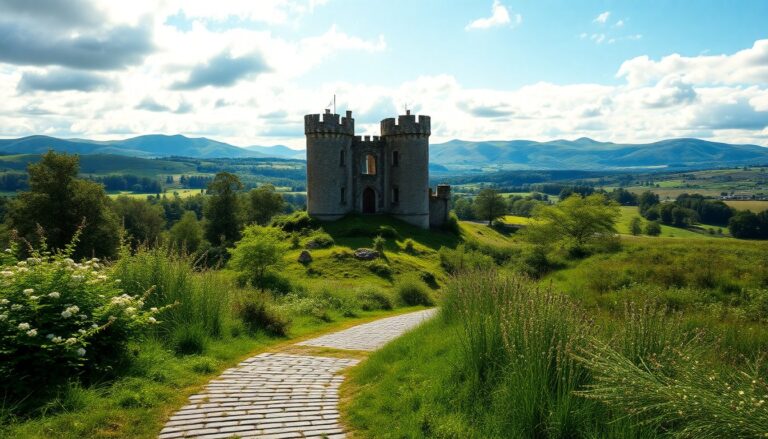
The United Kingdom (UK) is a nation rich in history and culture, often seen as a melting pot of traditions, languages, and customs. Comprising four countries—England, Scotland, Wales, and Northern Ireland—the UK presents a diverse array of influences that have shaped its identity over centuries.
From its iconic landmarks to modern cultural trends, the UK continues to captivate and inspire people around the world.
A historical overview of the United Kingdom
The history of the UK is a complex narrative that spans thousands of years, beginning with the ancient tribes of the British Isles.
The Roman conquest in 43 AD marked a significant turning point, introducing new infrastructure, trade, and cultural influences. As the Roman Empire began to decline, the UK experienced the rise of the Anglo-Saxons, followed by Viking invasions, which further enriched the cultural landscape.
The Norman Conquest
In 1066, the Norman Conquest marked a pivotal shift in England’s social and political landscape. William the Conqueror established a new ruling class, which led to the construction of notable structures, including the Tower of London and Westminster Abbey. This era also introduced the feudal system, significantly affecting land ownership and governance throughout the region.
The United Kingdom’s formation
The establishment of the United Kingdom as it exists today began in the early 18th century. The Acts of Union united England and Scotland in 1707, followed by the incorporation of Ireland in 1801. This consolidation resulted in a powerful entity that significantly influenced global affairs, especially during the Industrial Revolution, which reshaped economic frameworks and societal norms. The empire expanded, leading to the saying that “the sun never sets on the British Empire.”
Culture and diversity in the United Kingdom
The cultural landscape of the United Kingdom reflects a rich and vibrant history, showcasing a mosaic of traditions and identities. Each of the four constituent countries—England, Scotland, Wales, and Northern Ireland—boasts unique customs and languages. English predominates as the main language, yet Welsh is commonly spoken in Wales, while Scottish Gaelic holds significant cultural value in Scotland. This linguistic diversity illustrates the varied identities that contribute to the UK’s cultural richness.
Literature and the arts
The United Kingdom has been home to some of the most celebrated writers, poets, and playwrights in history. Figures like William Shakespeare and Jane Austen have made contributions that resonate throughout global literature. The arts scene remains vibrant, with institutions such as the British Museum and Tate Modern exemplifying the nation’s rich creative heritage. Additionally, the annual Edinburgh Festival underscores the UK’s dedication to the arts, drawing performances from artists across the globe.
Modern influences
In recent decades, the UK has developed a more multicultural identity, shaped by immigration and globalization. Cities such as London and Birmingham are recognized for their cultural diversity, where various communities enhance a vibrant urban culture. The culinary scene exemplifies this diversity, showcasing international cuisines that have gained traction alongside traditional British dishes like fish and chips and Sunday roast.
Challenges and opportunities
Despite its rich cultural heritage, the UK grapples with several challenges, including ongoing debates over national identity, immigration policy, and the ramifications of Brexit. The choice to exit the European Union has ignited discussions about sovereignty versus global cooperation, influencing the future of the UK’s position on the international stage.
These challenges also present opportunities for the UK to redefine its identity. The rise of technology and innovation has positioned the UK as a leader in sectors such as fintech and green technology. Government investment in education and infrastructure aims to foster growth and attract global talent, ensuring the UK remains a competitive player in the global economy.
The United Kingdom exemplifies a land of contrasts, where ancient history intertwines with modern innovation. Its rich culture and diverse heritage continue to shape its identity, making it a compelling subject for exploration. Understanding the UK’s past and present will be crucial as it navigates its future in an ever-evolving world.
