

Circular design is reshaping the future of business sustainability.
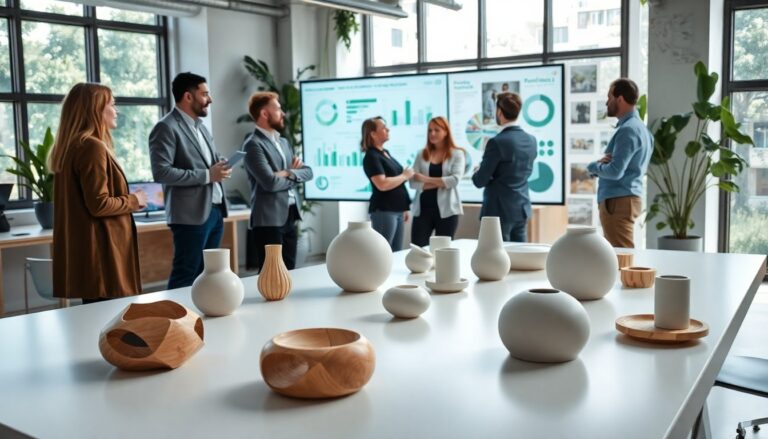
The rise of circular design in multinational corporations
As businesses evolve, circular design has emerged as a critical trend in sustainability. This approach prioritizes the creation of products and systems that minimize waste and enhance resource efficiency. Multinational corporations are increasingly adopting circular design as a strategic initiative to improve their ESG performance.
Business case and economic opportunities
The sustainability landscape is evolving. Companies leading the charge have recognized that adopting circular design is not only an environmental imperative but also a lucrative business case. By optimizing resource use and minimizing waste, organizations can unlock significant cost savings and new revenue streams.
Evidence shows that companies implementing circular strategies can achieve up to a 30% reduction in material costs.
How to implement in practice
Implementing circular design requires a strategic approach. Here are some actionable steps:
- Assess your current processes:Conduct a comprehensiveLife Cycle Assessment (LCA)to pinpoint areas for improvement.
- Engage stakeholders:Collaborate with suppliers and customers to create innovative circular solutions.
- Invest in innovation:Focus on research and development of sustainable materials and processes.
Examples of pioneering companies
Several pioneering companies are demonstrating the advantages of circular design:
- Patagonia:This outdoor apparel brand is widely recognized for its sustainability commitment, utilizing recycled materials and encouraging product repair.
- Unilever:With ambitiouscarbon neutralgoals, Unilever is actively transitioning to circular models across its product lines.
Roadmap for the future
Looking ahead, the future of circular design appears promising. To remain competitive, companies must:
- Continuously innovate:Invest in new technologies and sustainable practices to stay ahead of the curve.
- Measure performance:Employ frameworks likeSASBandGRIto monitor progress and report transparently.
- Foster a circular culture:Educate and empower employees at all levels to integrate sustainability as a core value.
As demand for sustainable practices escalates, circular design is set to become a fundamental element for multinational corporations dedicated to achieving a greener future.
