

Explore the rich history and diverse cultural landscape of the United Kingdom.
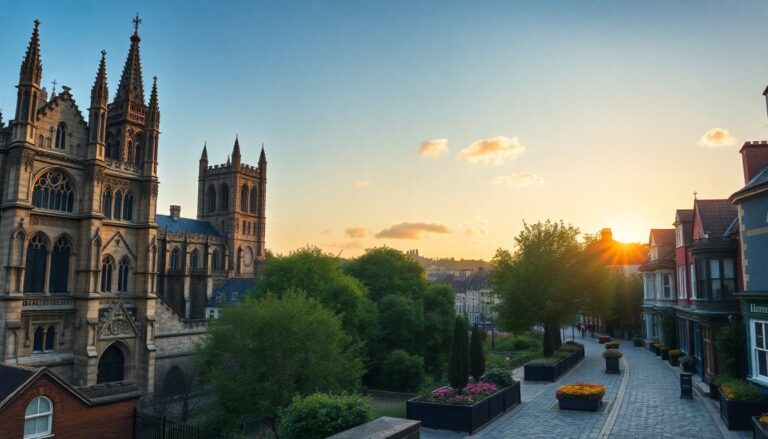
The United Kingdom boasts a rich history and a diverse cultural landscape. Its past is a tapestry woven from various cultures, traditions, and significant events. This article explores the key factors that have shaped the UK, highlighting its historical milestones and cultural achievements.
The historical evolution of the UK
The UK’s history features a series of pivotal events that have influenced its political, social, and economic landscape. The evolution began with early tribal societies and progressed through the Roman conquest, the establishment of the monarchy, and the industrial revolution.
Roman conquest and its impact
The Roman conquest of Britain in 43 AD brought significant changes to the region. The Romans introduced advanced infrastructure, including roads, baths, and urban centers, which laid the foundation for future developments. Roman culture also influenced local customs, many of which remain in contemporary British society.
After the fall of the Roman Empire, Britain entered the Middle Ages, characterized by feudalism and the dominance of the Church. The arrival of the Normans in 1066 marked a pivotal moment, introducing new governance structures and architectural styles, exemplified by iconic castles and cathedrals.
The rise of the British Empire
During the 16th century, the UK began establishing itself as a global power, leading to the expansion of the British Empire. This period saw the colonization of vast territories, profoundly impacting international trade and cultural exchange. The empire’s reach facilitated the spread of British culture and values worldwide while introducing diverse influences back to the UK.
Cultural diversity in the UK
The UK’s cultural landscape is incredibly diverse, shaped by myriad historical influences. The blend of local traditions with those introduced by immigrants creates a unique cultural identity that continues to evolve.
Literature and the arts
The UK has a rich literary heritage, producing renowned authors such as William Shakespeare, Jane Austen, and Charles Dickens. Their works reflect the social issues of their times and contribute to the global literary canon. The arts, including music and visual arts, also flourish in the UK, with movements like Romanticism and Modernism originating from this region.
In modern times, the UK remains a hub for artistic expression, hosting events such as the Edinburgh Festival and the London Film Festival. These events showcase various artistic talents and attract global audiences, reinforcing the UK’s status as a cultural powerhouse.
Multicultural influences
In recent decades, the UK has become increasingly multicultural, with communities from around the globe establishing roots in the region. This diversity is celebrated through various cultural festivals, culinary traditions, and religious practices, enriching the fabric of UK society.
From the vibrant Notting Hill Carnival to the Chinese New Year celebrations in London, these events reflect the coexistence of various cultural identities. This multiculturalism has influenced British cuisine, fashion, and language, creating a dynamic environment that is constantly adapting and evolving.
The future of UK culture
The UK’s history features a series of pivotal events that have influenced its political, social, and economic landscape. The evolution began with early tribal societies and progressed through the Roman conquest, the establishment of the monarchy, and the industrial revolution.0
The UK’s history features a series of pivotal events that have influenced its political, social, and economic landscape. The evolution began with early tribal societies and progressed through the Roman conquest, the establishment of the monarchy, and the industrial revolution.1
