

Explore the vibrant cultural heritage of the United Kingdom that defines its unique identity.
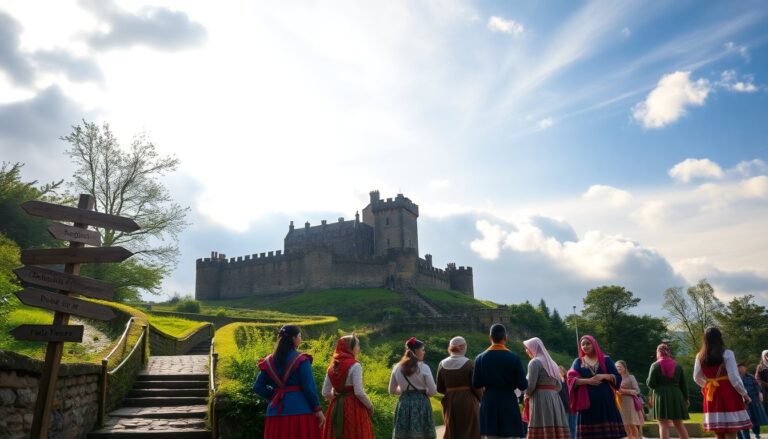
The United Kingdom is a nation steeped in history and diverse cultural influences. From the medieval castles of England to the vibrant festivals of Scotland, the UK’s cultural landscape is a rich tapestry woven from its storied past and evolving present.
This article examines the various elements that define the UK’s cultural identity and explores how they contribute to its status as a global cultural hub.
The historical roots of UK culture
The roots of UK culture can be traced back to its ancient civilizations.
The Celts, who inhabited the British Isles over two thousand years ago, laid the foundation for many cultural practices still seen today. Their influence is particularly evident in the languages, music, and folklore of regions like Wales and Scotland. The Roman occupation further enriched this cultural melting pot, introducing new architectural styles and urban planning concepts.
Medieval and Renaissance influences
During the medieval period, the UK saw the emergence of feudalism, which significantly shaped its social structure. Chivalry and the knightly code influenced literature and art, leading to iconic works such as the tales of King Arthur and the Knights of the Round Table. The subsequent Renaissance brought about a revival of classical learning and a flourishing of the arts, exemplified by luminaries like William Shakespeare and Christopher Marlowe.
Modern cultural expressions
In contemporary times, UK culture has continued to evolve, embracing influences from around the world while maintaining its unique identity. The UK is renowned for its contributions to music, literature, and theatre. From the Beatles to the Sex Pistols, British music has had a profound impact on global trends. Furthermore, the literary canon includes a diverse range of authors, such as Jane Austen and George Orwell, whose works continue to resonate with readers today.
The role of festivals and traditions
Festivals play a crucial role in celebrating the rich traditions of the UK. Events like the Notting Hill Carnival and the Edinburgh Festival Fringe showcase the cultural diversity of the nation. These celebrations not only highlight the arts but also serve as a platform for community engagement and social cohesion. Moreover, traditional events such as Guy Fawkes Night and Burns Night provide insight into the historical narratives that have shaped the UK.
The UK’s global cultural impact
The cultural influence of the UK extends far beyond its borders. The rise of the British Empire in the 19th century facilitated the spread of British culture worldwide, leaving an indelible mark on various societies. Today, the UK’s institutions, such as the British Museum and the Royal Academy of Arts, are recognized as global leaders in the preservation and promotion of culture.
Moreover, the UK’s film and television industry has produced iconic works that have garnered international acclaim. From Harry Potter to Doctor Who, British media continues to captivate audiences globally, reinforcing the country’s position as a cultural powerhouse.
Challenges and opportunities
Despite its rich cultural heritage, the UK faces challenges in preserving its identity in an increasingly globalized world. Issues such as cultural appropriation and the dilution of traditional practices pose significant threats. However, these challenges also present opportunities for innovation and reinvention within the cultural sphere. By embracing diversity and fostering inclusivity, the UK can continue to enrich its cultural landscape.
The cultural heritage of the UK is a vibrant mosaic that reflects its historical journey and contemporary realities. From ancient traditions to modern expressions, the UK remains a beacon of cultural richness. As it navigates the complexities of the modern world, the UK’s commitment to preserving and celebrating its diverse heritage will undoubtedly shape its future as a global cultural leader.
