

Political Strategy Analyst: Macron's Leadership Challenges in a Divided Parliament As President Emmanuel Macron navigates the complexities of a divided parliament, his political strategy is being rigorously tested. In response to shifting dynamics, he is actively seeking a new prime minister to enhance governance and foster collaboration across party lines. This pivotal moment highlights the need for effective leadership and adaptive strategies in a fragmented political landscape. Key Focus...
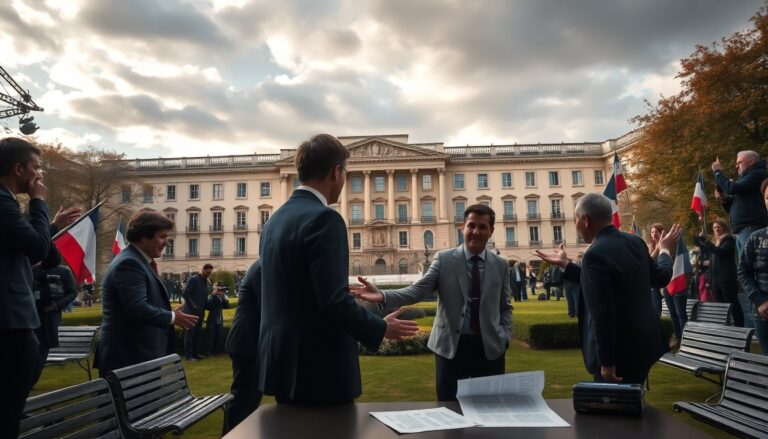
In a significant move that underscores the political instability in France, President Emmanuel Macron is expected to announce a new prime minister within the next two days. This decision follows extensive discussions led by outgoing Prime Minister Sebastien Lecornu, aimed at resolving the ongoing political deadlock gripping the nation.
The urgency of this appointment is evident following Lecornu’s recent cabinet proposal, which faced immediate backlash from both allies and opposition parties. After two days of negotiations, it became clear that a parliamentary majority opposed dissolving for early elections.
Consequently, the Elysee Palace communicated that a new prime minister will be appointed shortly.
Political negotiations and cabinet challenges
Macron’s decision comes after Lecornu’s cabinet, unveiled just days prior, was met with severe criticism. Observers noted that the lineup retained several members from the previous administration led by Francois Bayrou, despite Lecornu’s assurances of a fresh approach.
This continuity was poorly received, leading to Lecornu’s swift resignation, marking his term as the shortest in modern French history.
Attempts to bridge the divide
During his brief tenure, Lecornu engaged in negotiations with various political factions to find common ground. Ultimately, he reported to Macron that the chances of immediate elections had diminished significantly. In a televised statement, he expressed his frustration, stating, “I tried everything,” before confirming that his mission to resolve the crisis had concluded.
Lecornu’s resignation highlights the fragmented nature of the current political landscape in France. The parliament remains deeply divided, particularly after the results of last year’s snap elections led to a hung parliament, where no party holds a decisive majority. This division has rendered legislative action, such as passing a crucial budget to address the country’s debt crisis, increasingly challenging.
The path forward for Macron
As Macron contemplates his next steps, speculation abounds regarding whether he will reappoint Lecornu or select a new candidate to lead the government. The situation has drawn criticism from former allies, including former Prime Minister Edouard Philippe, who has called for a reevaluation of the presidential position, suggesting that early elections may be necessary to restore stability.
Calls for a technocratic government
In the wake of this political turmoil, Lecornu has suggested that a less politically driven and more technocratic administration may be preferable. He emphasized that any new cabinet members should not have aspirations for future presidential elections, arguing that the focus should be on governance rather than individual ambitions. “It’s not the time to change the president,” he stated, urging for unity in the face of pressing national issues.
The disarray within the parliament has led to widespread unrest, with proposed budget cuts igniting protests across the country. Opposition parties have capitalized on this turmoil, rallying public support for early elections and vowing to obstruct any new government initiatives until a resolution is found.
The political landscape in France remains precarious. As Macron prepares to unveil a new prime minister, the nation watches closely. The success of the upcoming administration will depend heavily on its ability to navigate the entrenched divides within the parliament and to formulate a budget that meets the urgent needs of the French people.
