

Impact of Steel Tariffs on the Automotive Industry's Financial Stability The imposition of steel tariffs poses significant risks to the financial stability of the automotive sector. These tariffs can lead to increased production costs for manufacturers, which may ultimately affect pricing strategies, profit margins, and overall competitiveness in the market. As a result, automotive companies must navigate these challenges carefully to sustain their operations and financial health. Addressing...
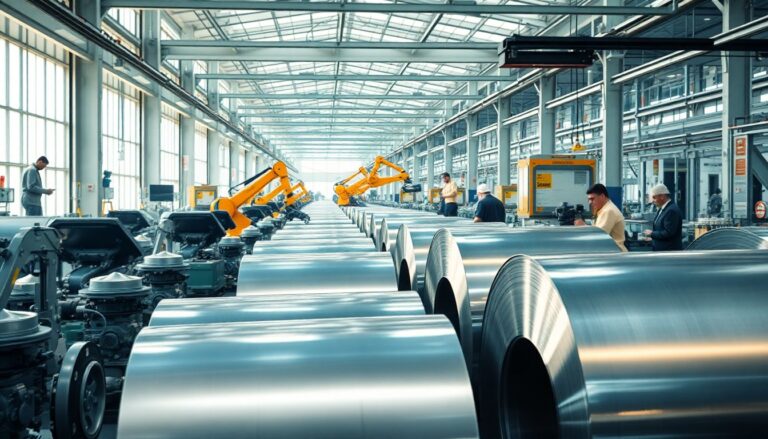
The automotive sector is facing a significant financial challenge, with losses estimated at £6 billion due to concerns over potential increases in steel tariffs. This situation has raised alarms among manufacturers, suppliers, and stakeholders, who are closely monitoring trade regulations that could substantially affect production costs and overall profitability.
As the global market fluctuates, the automotive industry finds itself at a critical turning point. The uncertainty surrounding the possibility of higher tariffs on imported steel threatens to disrupt the very foundations of the sector. The implications could extend beyond car manufacturers to the entire supply chain.
Understanding the implications of steel tariffs
Steel is an essential resource in automobile manufacturing, used in various components that contribute to a vehicle’s structure, safety features, and design. An increase in tariffs could lead to a sharp rise in the cost of acquiring steel, resulting in higher production expenses for car manufacturers.
This scenario may force industry leaders to reevaluate their pricing strategies and operational efficiencies.
The potential for rising costs raises concerns about the competitiveness of the automotive sector in the global market. Should manufacturers pass these costs onto consumers, vehicle prices may increase, potentially reducing demand. This situation could create a detrimental cycle that threatens job security within the industry.
Sector-wide reactions and strategies
In response, many automotive firms are exploring strategies to mitigate the impact of rising steel prices. Some companies are considering long-term contracts with steel suppliers to lock in current prices, while others are investing in alternative materials to reduce dependence on traditional steel. The urgency of these actions is heightened by the approaching deadline for potential tariff changes.
Additionally, automakers are beginning discussions with government officials and trade organizations, advocating for policies that could protect the industry from harmful tariff increases. These collaborative efforts aim to foster a stable production and pricing environment, which is vital for maintaining competitiveness in the automotive market.
The broader economic context
This tariff concern is part of a larger economic landscape that includes inflation, supply chain disruptions, and shifting consumer behaviors. The automotive industry is particularly susceptible to these factors, as it heavily relies on a delicate balance of materials, labor, and supplier relationships.
Reports indicate that the automotive sector has already begun to feel the impact of these broader economic pressures. With consumer confidence fluctuating and potential buyers becoming more cautious, the effects of higher vehicle prices could significantly dampen sales forecasts for the forthcoming quarters.
Looking ahead: potential solutions
As the automotive industry navigates these challenges, stakeholders are encouraged to remain proactive in seeking solutions. The adoption of advanced manufacturing technologies, such as automation and 3D printing, could provide opportunities for reducing production costs and improving efficiency. Additionally, companies can explore avenues in the electric vehicle market, where demand is steadily rising.
Moreover, building relationships with local steel producers may offer a buffer against international tariff fluctuations, enabling manufacturers to stabilize their supply chains while supporting domestic industries. These strategies aim not only to counteract immediate financial impacts but also to position the automotive sector for sustainable growth in a constantly evolving market.
As the global market fluctuates, the automotive industry finds itself at a critical turning point. The uncertainty surrounding the possibility of higher tariffs on imported steel threatens to disrupt the very foundations of the sector. The implications could extend beyond car manufacturers to the entire supply chain.0
