

Community Resilience and Recovery Specialist Profile Summary: Results-driven professional with expertise in enhancing community resilience and facilitating effective recovery strategies post-incident. Proven track record in assessing community vulnerabilities, coordinating response efforts, and implementing sustainable solutions to foster long-term recovery. Key Skills: Community Resilience Planning Incident Response Coordination Recovery Strategy Development Vulnerability Assessment...
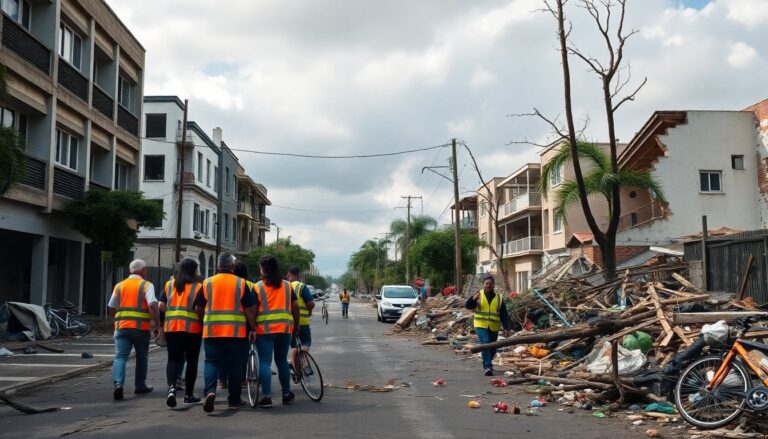
Incidents such as natural disasters, accidents, or social upheavals profoundly affect communities. Understanding the impact of these incidents is essential for developing effective recovery strategies. This article explores how incidents influence community resilience and the factors that contribute to successful recovery.
Types of incidents and their effects
Incidents can be categorized into various types, each with distinct consequences. Natural disasters like earthquakes, floods, and hurricanes can devastate infrastructure and displace populations. In contrast, social incidents—such as protests or violent conflicts—can lead to social fragmentation and psychological trauma.
Natural disasters
Natural disasters can lead to immediate loss of life and property. After a hurricane, communities often face challenges such as housing shortages, disrupted services, and economic instability. The psychological impact of these events can be profound, contributing to increased rates of anxiety and depression among affected individuals.
Social incidents
Social incidents can drive long-term societal changes. Protests often emerge in response to systemic inequalities, and their aftermath can either unite or divide communities. Recognizing the underlying causes of these incidents is crucial for fostering healing and resilience.
The role of community resilience
Community resilience is the capacity of communities to endure and recover from difficult situations. This resilience is shaped by various factors, including social connections, economic stability, and access to information. Communities that demonstrate robust resilience are better equipped to recover from challenges, thereby reducing long-term consequences.
Social cohesion
A key element in fostering community resilience is social cohesion. When individuals within a community are interconnected and offer support to one another, they can quickly mobilize resources in times of crisis. For instance, neighborhoods with strong relationships are more likely to coordinate relief efforts, disseminate information, and provide emotional support during emergencies.
Access to resources
The availability of economic resources plays a crucial role in community resilience. Communities with diversified economies and strong infrastructures tend to recover more quickly. This is especially true in areas where local businesses can swiftly adapt to changing conditions, offering jobs and services essential for recovery.
Strategies for enhancing resilience
Improving community resilience requires a comprehensive approach that encompasses preparedness, education, and collaboration. Building resilience is not solely about responding to emergencies; it involves taking proactive steps that strengthen communities over time.
Preparedness and planning
Effective preparedness planning is crucial for minimizing the impact of emergencies. Communities should create emergency response plans that detail specific procedures for various incidents. Involving local stakeholders in the planning process ensures that these plans are tailored to the unique needs and capabilities of the community.
Education and training
Education is vital for fostering resilience within communities. By providing members with information about potential incidents and effective response strategies, communities cultivate informed citizens who are ready to act during emergencies. Comprehensive training programs can include first aid, crisis communication, and resource management, empowering individuals and groups to play an active role in recovery efforts.
Building resilience in communities
Incidents can profoundly impact communities, affecting their stability and unity. Understanding these effects is essential for fostering resilience. Factors such as social cohesion and access to resources play a crucial role in enhancing recovery capabilities from both natural disasters and social challenges.
Preparedness, education, and collaboration are vital in this process. By prioritizing these elements, communities can cultivate a stronger foundation, enabling them to withstand and recover from future challenges effectively. The future requires that communities not only respond to incidents but also proactively prepare for them, ensuring a more resilient society.
