

Understanding the Evolution of Football Tactics and Strategies Dive into the captivating transformations in football tactics and strategies. Discover how innovative approaches have shaped the game, influencing team formations, player roles, and overall gameplay. Explore the historical progression of tactical methodologies and their impact on modern football, enhancing your appreciation for the sport's dynamic nature.
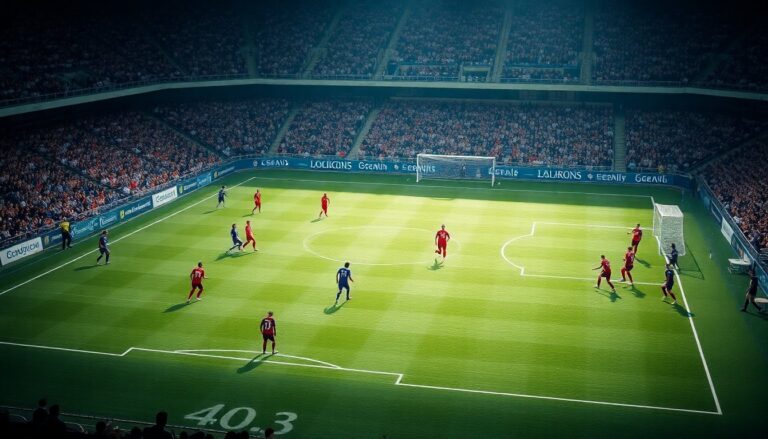
Football, often referred to as the beautiful game, has undergone significant transformation since its inception. The evolution of football tactics reflects the dynamic nature of the sport, influenced by various factors including player abilities, coaching philosophies, and advancements in technology.
This article delves into the historical journey of football tactics, highlighting key shifts and their impact on the modern game.
The origins of football tactics
The roots of football tactics can be traced back to the late 19th century when the game started gaining popularity in England.
Initially, teams adopted a simplistic approach, focusing on individual skills and physicality rather than strategic planning. The game was characterized by the 2-3-5 formation, which emphasized offensive play with five forwards.
The advent of formations
As the sport evolved, coaches began recognizing the importance of formations.
The introduction of the WM formation in the 1920s by Herbert Chapman marked a significant tactical shift. This formation balanced defensive and offensive responsibilities, with three defenders, two midfielders, and five forwards. The WM formation laid the groundwork for future tactical innovations, emphasizing the need for a structured approach to both attack and defense.
The tactical revolution of the 1970s and 1980s
The 1970s and 1980s heralded a new era in football tactics, characterized by the emergence of innovative strategies that reshaped the game. The introduction of the total football philosophy by the Dutch national team is perhaps one of the most notable examples of this tactical revolution. Total football emphasized fluidity, with players interchanging positions and maintaining collective responsibility for both attacking and defending.
The impact of coaching legends
Coaches like Johan Cruyff and Arrigo Sacchi played pivotal roles in this tactical evolution. Cruyff’s influence at Ajax and Barcelona showcased the effectiveness of possession-based football, where maintaining control of the ball became essential. Sacchi, on the other hand, implemented a pressing style that revolutionized defensive tactics. His AC Milan team was known for its organized pressing and compact shape, forcing opponents into making mistakes.
The modern game and tactical intricacies
In recent years, the game has witnessed an explosion of tactical diversity, driven by advancements in analysis and training methods. The introduction of data analytics has allowed coaches to make informed decisions, tailoring their strategies to exploit opponents’ weaknesses. Modern formations like the 4-2-3-1 and 3-5-2 showcase the tactical flexibility that contemporary teams possess.
Pressing and counter-attacking football
One of the most significant trends in modern football is the emphasis on pressing and counter-attacking football. Teams like Liverpool and Manchester City have popularized high-pressing tactics, aiming to win the ball back quickly and transition rapidly into attack. This style has redefined the pace and intensity of the game, making it more exciting for fans and challenging for players.
Furthermore, the rise of positional play, as seen in Pep Guardiola’s teams, highlights the importance of spatial awareness and player movement. Players are trained to occupy specific zones on the pitch, creating passing triangles and maximizing space. This tactical sophistication has made modern football a complex and strategic battle.
The future of football tactics
As football continues to evolve, so too will its tactics. The interplay between tradition and innovation will shape the strategies of future teams. Coaches will need to adapt to the ever-changing landscape of the sport, incorporating new technologies and methodologies to stay competitive. The evolution of football tactics is a testament to the game’s richness, with each era contributing to the strategic depth we witness today.
