

Title: Analyzing the Impact of Military Operations in Gaza: Civilian Consequences and Global Reactions Summary: This comprehensive report explores the multifaceted effects of military operations in Gaza, with a particular emphasis on the ramifications for civilian populations and the varied responses from the international community. Key Areas of Focus: Civilian Impact Analysis: - Detailed examination of the humanitarian crisis resulting from military engagements. - Statistical data on...
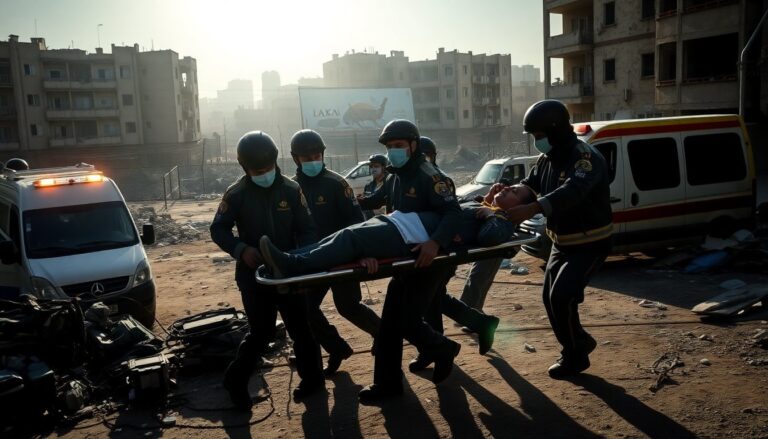
The conflict between Israel and Gaza continues to escalate, driven by intense military actions that have resulted in severe humanitarian challenges. This violence not only affects immediate safety but also inflicts long-term consequences on the civilian population in Gaza.
Many residents face injuries commonly seen in combat scenarios, highlighting the urgent need for understanding these military operations. This comprehension is essential for recognizing the broader implications for both local communities and the international landscape.
The humanitarian crisis in Gaza
The ongoing conflict in Gaza is taking a heavy toll on civilians. Reports reveal that many individuals are sustaining injuries typically associated with combatants. This troubling trend underscores the grim reality faced by the population, as daily life is severely disrupted by the violence surrounding them.
Additionally, the destruction of infrastructure has exacerbated the challenges for those who remain in the region.
The rise of civilian casualties
The ongoing conflict often places civilians in perilous situations. Operations conducted by the Israeli military target specific objectives but frequently lead to collateral damage. Recent statistics indicate a troubling increase in injuries and fatalities among non-combatants. Human rights organizations have expressed significant concerns regarding the legality and ethics of these military actions, questioning whether sufficient efforts are made to safeguard innocent lives.
International implications of the conflict
The conflict has significant repercussions that extend beyond Gaza, affecting regional stability and international relations. Israel’s military strategy has attracted considerable attention and criticism, prompting various countries and organizations to call for accountability. The consequences of these military actions reverberate well beyond the immediate area, influencing global diplomacy and international humanitarian efforts.
Responses from the global community
The issue of accountability is pivotal in discussions regarding the actions of the Israeli military. Multiple international bodies have raised concerns over the transparency and accountability of military operations. Critics contend that the Israeli government has not been adequately held responsible for actions resulting in civilian casualties, raising ethical questions about contemporary warfare.
The recognition of Palestine on the global stage
The international recognition of Palestine plays a crucial role in the ongoing conflict. While numerous countries acknowledge Palestine as a state, others hesitate or oppose this stance. This division significantly impacts diplomatic relations and efforts toward peace in the region. Understanding which nations recognize Palestine and the implications of these recognitions is essential for grasping the broader geopolitical landscape.
The impact of recognition on peace efforts
The differing levels of recognition for Palestine create obstacles in diplomatic negotiations. Countries that recognize Palestine typically advocate for its rights and sovereignty. In contrast, those that do not may align with Israel’s claims and actions. This divide complicates peace efforts, as varying perspectives on statehood and legitimacy shape negotiations and international support.
The ongoing demolitions of Palestinian homes significantly worsen the situation, displacing families and forcing them into precarious living conditions. These actions violate human rights and obstruct the possibility of a peaceful resolution. They foster deep-rooted grievances that can endure for generations.
The conflict in Gaza embodies a complex interplay of military strategy, humanitarian crises, and international relations. As the situation develops, it is essential for the global community to engage thoughtfully and constructively, fostering dialogue and accountability to pursue a more peaceful resolution.
