

Explore England's Rich History and Vibrant Culture Embark on an immersive journey through England's fascinating history and diverse cultural landscape. Discover the stories that shaped a nation, from ancient landmarks to modern marvels, and experience the vibrant traditions that continue to thrive today.
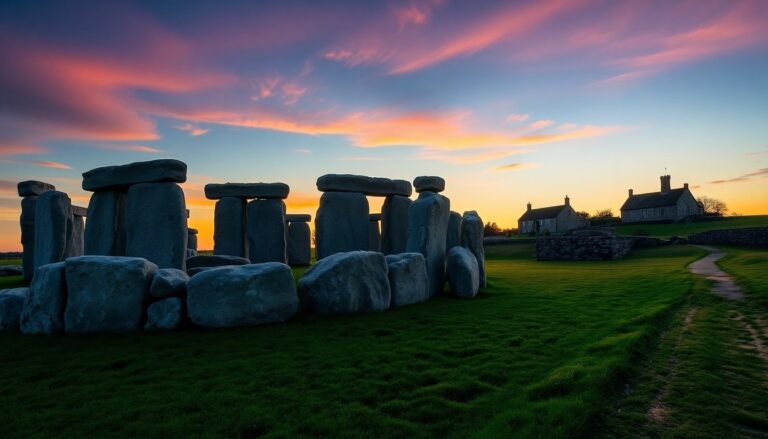
England, the largest country in the United Kingdom, is a land steeped in history and cultural heritage. From the ancient stone circles of Stonehenge to the bustling streets of modern London, the country offers a vibrant tapestry of influences and traditions that have shaped its identity over centuries.
This article explores the rich cultural landscape of England, highlighting key historical events, notable traditions, and the enduring impact of its diverse population.
The historical backdrop of England
England’s history is marked by significant events that have molded its social, political, and economic structures.
The Roman invasion in 43 AD introduced advanced architecture and infrastructure, laying the groundwork for future developments. Following the fall of the Roman Empire, England entered the Dark Ages, a period characterized by instability and the fragmentation of power.
Medieval England: Rise and fall of empires
The medieval period saw the rise of powerful kingdoms and the establishment of the feudal system. The Norman Conquest in 1066 was pivotal, as William the Conqueror introduced a new ruling class and a series of administrative reforms. The subsequent Magna Carta in 1215 marked the beginning of constitutional governance, limiting the power of the monarchy and laying the foundation for future democratic principles.
Throughout the medieval era, England experienced the Hundred Years’ War with France, the rise of the Tudor dynasty, and the Reformation, each contributing to a complex political landscape. The Elizabethan era is considered a golden age, notable for its flourishing arts, exploration, and the establishment of England as a global power.
England’s cultural heritage
As a nation, England’s culture is a rich blend of traditions, literature, music, and art that reflect its diverse history. The English language, which has evolved over centuries, is a prime example of this cultural amalgamation. It has absorbed influences from Latin, French, and Germanic languages, making it one of the most widely spoken languages in the world.
Literature: A legacy of great writers
England has produced some of the world’s most celebrated writers, including William Shakespeare, Charles Dickens, and Jane Austen. Their works have shaped English literature and influenced global narratives. The Renaissance period brought a revival of learning and creativity, resulting in profound literary movements that continue to inspire writers and readers alike.
Shakespeare, often regarded as the greatest playwright of all time, explored themes of love, ambition, and human nature, which resonate even today. His plays are performed worldwide, attesting to the enduring power of his storytelling.
Modern England: A melting pot of influences
In contemporary times, England is recognized as a multicultural society where various ethnicities and cultures coexist. The diverse population brings a wealth of traditions, cuisines, and perspectives that enrich the English cultural landscape. Major cities like London, Birmingham, and Manchester serve as vibrant hubs of cultural exchange, showcasing everything from street art to culinary festivals.
The impact of immigration has been significant, shaping the nation’s identity and social fabric. The Windrush generation in the post-war period brought Caribbean culture to the forefront, influencing music, food, and community celebrations. Events like the Notting Hill Carnival celebrate this diversity, allowing different communities to share their heritage and traditions.
Additionally, England remains a leader in global arts and entertainment. The British music scene, with its roots in genres like rock, pop, and punk, has produced iconic artists such as The Beatles, The Rolling Stones, and Adele, who have made a lasting impact on the music industry worldwide.
England’s history is marked by significant events that have molded its social, political, and economic structures. The Roman invasion in 43 AD introduced advanced architecture and infrastructure, laying the groundwork for future developments. Following the fall of the Roman Empire, England entered the Dark Ages, a period characterized by instability and the fragmentation of power.0
