

Explore the complex dynamics of incidents and their broader implications.
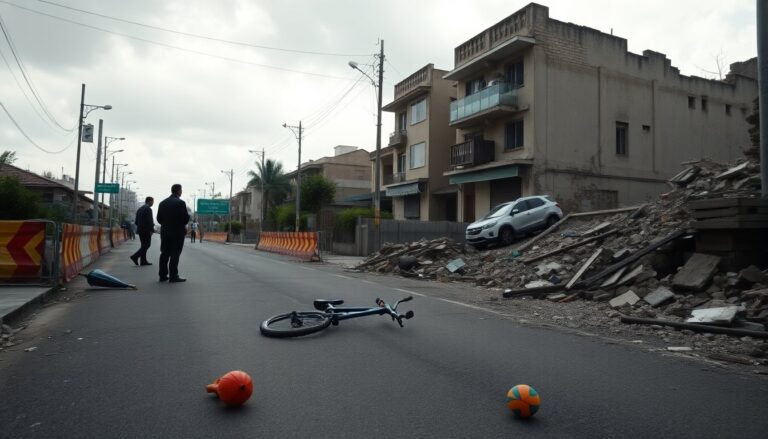
Incidents in our evolving world can disrupt lives in unexpected ways. From natural disasters to technological failures, the implications are far-reaching. Understanding the causes and effects of these incidents is crucial for developing effective response strategies. This article explores the multifaceted nature of incidents, examining their origins, impacts, and the responses they elicit.
Types of incidents and their causes
Incidents can be categorized into various types, each with its own underlying causes. Natural incidents, such as earthquakes, floods, and hurricanes, are driven by environmental factors. For example, an earthquake occurs due to the movement of tectonic plates, releasing energy that shakes the ground.
In contrast, man-made incidents include accidents like industrial spills, cyber attacks, and terrorism. These incidents often stem from human error, negligence, or intentional malice.
Understanding natural incidents
Natural incidents often evoke a sense of helplessness. For instance, during a hurricane, communities face severe wind and flooding, which can lead to property destruction and loss of life.
The aftermath of such incidents necessitates a comprehensive response, including emergency services and community support. Furthermore, climate change has exacerbated the frequency and intensity of these events, prompting urgent discussions about preparedness and resilience.
The impact of man-made incidents
In contrast, man-made incidents raise questions about accountability and prevention. A cyber attack, for example, can compromise sensitive data and disrupt essential services. The consequences extend beyond immediate financial losses, as trust in institutions may erode. Organizations are increasingly investing in cybersecurity measures to mitigate risks, highlighting the need for proactive strategies.
Consequences of incidents
The consequences of incidents can be both immediate and long-term. In the short term, communities may experience chaos and confusion. After a natural disaster, first responders play a critical role in managing the situation. The level of preparedness and resources available significantly influences the outcome. Moreover, the psychological impact on individuals, such as trauma and anxiety, cannot be overlooked.
Long-term societal effects
Long-term effects are equally significant. Communities may struggle to recover economically and socially. For example, businesses may close permanently after a catastrophic event, leading to job losses and diminished local economies. Prolonged recovery times can exacerbate social inequalities, as marginalized communities often lack the resources to rebuild effectively.
Policy implications and responses
In light of these challenges, governments and organizations are increasingly focused on developing robust incident response policies. Effective disaster management requires a coordinated effort that includes preparedness, response, recovery, and mitigation. Implementing strategies such as early warning systems and community training programs can enhance resilience against future incidents. Additionally, investing in infrastructure improvements can reduce vulnerability to natural disasters.
As incidents continue to shape our world, understanding their causes, effects, and responses is ever more critical. By recognizing the diverse nature of incidents and implementing comprehensive strategies, we can better prepare for the challenges ahead. It is imperative that both individuals and institutions prioritize incident preparedness, ensuring effective responses to unforeseen events and support for those affected.
