

In-Depth Analysis of Recent Incident and Its Wider Implications Conducted a comprehensive examination of a recent incident, evaluating its immediate effects and potential long-term consequences on relevant sectors and stakeholders. This thorough analysis highlights key insights and lessons learned, providing valuable perspectives for future preparedness and response strategies.
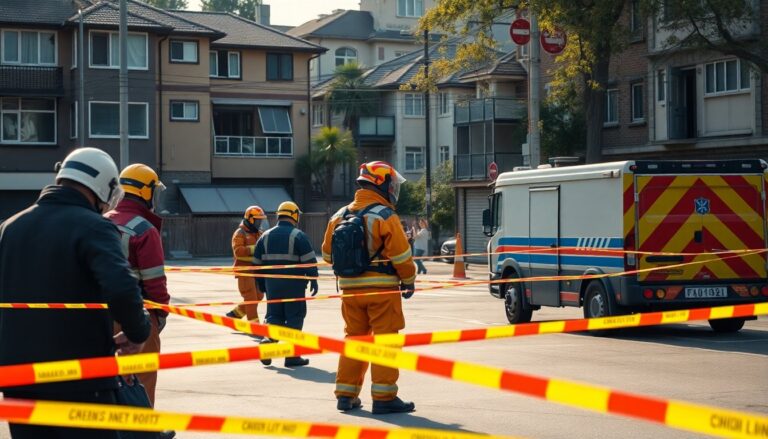
Incidents, whether minor or major, significantly impact communities and organizations. A recent event has captured public attention and raised critical questions about safety and preparedness systems. Understanding the layers of such incidents is essential for preventing future occurrences and maintaining public trust.
This article explores the recent incident, examining its causes, consequences, and broader implications for societal norms and regulations. Analyzing the factors that contributed to this incident allows for the extraction of vital lessons and the implementation of necessary changes to enhance safety and accountability.
Details of the incident
The incident took place on an ordinary day, escalating rapidly into a situation requiring immediate attention from emergency services and local authorities. Initial reports indicated that the incident involved multiple casualties, prompting urgent responses from medical and law enforcement teams.
Eyewitness accounts describe a chaotic scene as bystanders attempted to assist victims while waiting for help. The swift response of emergency services was commendable but highlighted the need for improved preparedness in such scenarios. Throughout the investigation, several critical factors emerged that contributed to the incident’s severity.
Contributing factors
Several contributing factors were identified during the examination of the incident. A significant aspect was the lack of proper safety measures, which could have mitigated its impact. Ineffective communication between various agencies hindered timely interventions.
Additionally, the community’s preparedness for emergencies was questioned. Emergency preparedness training and drills are essential for ensuring that both citizens and first responders can act swiftly and effectively in crises. The absence of such measures likely exacerbated the incident’s effects, leading to greater chaos and confusion.
Impact on the community
The repercussions of the incident rippled through the community, leaving many residents feeling vulnerable and anxious. Public safety has become a primary concern, prompting local leaders to reassess current protocols and regulations. Community forums have been organized to address these issues, allowing residents to voice their fears and suggestions for improvement.
Moreover, the incident has sparked discussions about the importance of mental health support for those affected. Victims and witnesses often carry psychological burdens long after physical injuries have healed. Therefore, providing access to mental health resources is imperative in the aftermath of such events.
Lessons learned
As investigations continue, it is vital to extract valuable lessons from the incident. One major takeaway is the necessity for enhanced community engagement in safety initiatives. When residents participate in preparedness programs, they are more likely to respond effectively in emergencies.
Furthermore, the incident underscores the importance of upgrading safety regulations and ensuring compliance among all stakeholders. Authorities must establish clear guidelines and conduct regular assessments to determine whether existing measures adequately protect the public.
Outlook
This article explores the recent incident, examining its causes, consequences, and broader implications for societal norms and regulations. Analyzing the factors that contributed to this incident allows for the extraction of vital lessons and the implementation of necessary changes to enhance safety and accountability.0
This article explores the recent incident, examining its causes, consequences, and broader implications for societal norms and regulations. Analyzing the factors that contributed to this incident allows for the extraction of vital lessons and the implementation of necessary changes to enhance safety and accountability.1
