

Explore the Rich History and Dynamic Culture of England: A Journey Through Time and Tradition.
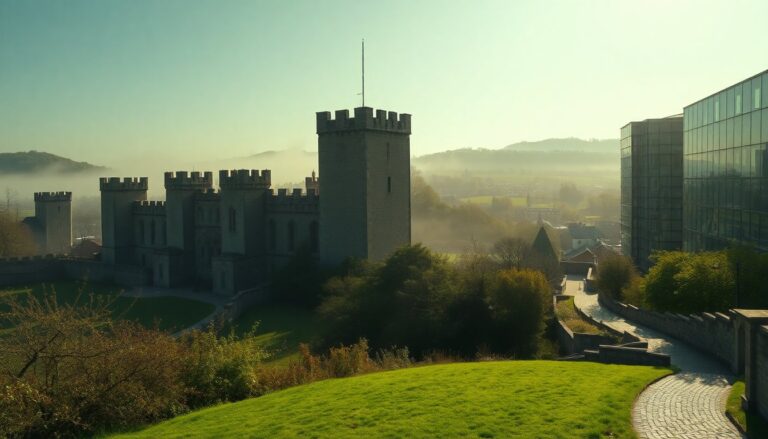
England, a nation with a rich history and dynamic present, has significantly influenced both Europe and the world. From its medieval castles to contemporary innovations, England exemplifies a unique blend of tradition and modernity. This article explores various facets of English history and culture, emphasizing key events, notable figures, and the diverse tapestry that characterizes this remarkable country.
The historical timeline of England
The history of England stretches over thousands of years, marked by pivotal events that have shaped its identity. Beginning with the Roman conquest in 43 AD, England experienced a succession of invasions, including the Anglo-Saxon settlements and Viking raids.
Each era contributed to the evolution of English culture and society.
The Anglo-Saxon era
After the Roman withdrawal, the Anglo-Saxon period emerged around the 5th century. This time was defined by the formation of various kingdoms and the spread of Christianity, which greatly influenced cultural development.
The epic poem Beowulf, a cornerstone of Anglo-Saxon literature, highlights the values of heroism and loyalty prevalent during this period.
The Middle Ages and the Renaissance
The Middle Ages, spanning from the 5th to the late 15th century, were characterized by feudalism and the construction of magnificent cathedrals and castles. The Norman Conquest of 1066 introduced significant changes, including the establishment of the Feudal System and the English monarchy. This era also witnessed the rise of chivalry and the legendary Knights of the Round Table.
The cultural revival of the Renaissance
The Renaissance in England, commencing in the late 15th century, marked a period of cultural and intellectual revival. Influential figures such as William Shakespeare and Christopher Marlowe transformed English literature, while advancements in science and exploration broadened knowledge and cultural interactions. This period laid the groundwork for modern English literature and thought.
Modern England: A blend of tradition and innovation
Entering the Industrial Revolution in the 18th century, England experienced a transformation that would alter the global landscape. This era signified a shift from agrarian societies to industrial powerhouses, resulting in urbanization and considerable social changes. The effects of the Industrial Revolution remain evident in England’s cities and economic framework.
The cultural landscape of contemporary England
Modern England serves as a melting pot of cultures, with a rich fabric woven from its colonial history and diverse immigrant communities. Institutions like the British Museum and the Tate Modern reflect the country’s commitment to preserving and promoting its artistic heritage. Additionally, England’s impact on music, fashion, and literature is undeniable, with iconic contributions from bands such as The Beatles and contemporary authors like J.K. Rowling.
England’s history reveals a captivating journey through time, characterized by conflict, innovation, and cultural exchange. The nation’s capacity to adapt and evolve while upholding its traditions demonstrates its resilience and importance in a global context. Exploring the depths of its history and culture enhances our understanding of the complexities that define England today.
