

Explore the rich history and vibrant culture that define modern England.
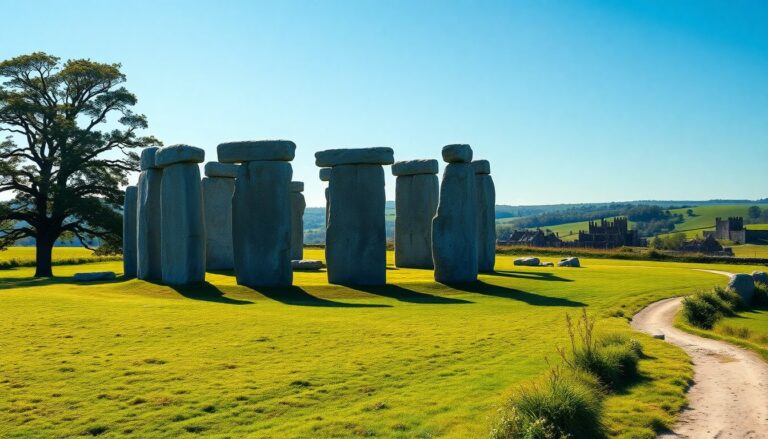
England is a country rich in history, known for its cultural heritage and diverse traditions. From the ancient ruins of Stonehenge to the vibrant streets of London, the landscape is filled with historical landmarks that narrate its past. This blend of tradition and modernity makes England a compelling destination for those eager to explore its intricate cultural tapestry.
The historical evolution of England
England’s history features a series of pivotal events that have shaped its national identity. The Roman invasion in 43 AD brought advanced infrastructure and urban planning, laying the foundation for future cities. After the fall of the Roman Empire, England experienced a succession of invasions, notably during the Anglo-Saxon period, which marked the establishment of kingdoms and the spread of Christianity.
The medieval era
The medieval era played a crucial role in shaping England’s history. It was a time defined by the feudal system and the emergence of strong monarchs. The signing of the Magna Carta in 1215 marked a turning point in governance.
This document asserted that everyone, including the king, was accountable to the law. It laid the groundwork for modern democracy and influenced legal frameworks across the globe.
England’s cultural landscape
England’s culture is a rich tapestry woven from diverse influences, reflecting contributions from various regions and communities. The evolution of the English language illustrates this diversity, having developed through interactions with Latin, French, and other languages. Throughout history, literature, art, and music have thrived, giving rise to iconic figures like William Shakespeare and Charles Dickens, whose works continue to resonate worldwide.
Traditions and festivals
England is known for its rich traditions and lively festivals. Events such as Guy Fawkes Night and the Notting Hill Carnival showcase the country’s cultural diversity and historical depth. Each region has its own customs, from the changing of the guard at Buckingham Palace to the spirited celebrations of St. George’s Day. These occasions not only honor local heritage but also unite communities, creating a strong sense of belonging.
The modern influence of England
England continues to assert itself as a global leader across multiple sectors, including technology, fashion, and the arts. Cities like London exemplify innovation, drawing talent from diverse backgrounds around the world. The impact of British pop culture, exemplified by iconic bands such as The Beatles and contemporary artists, persists in shaping global music trends and influencing youth culture.
Additionally, England’s prestigious educational institutions, including Oxford and Cambridge, are celebrated for their academic rigor. These institutions produce leaders and thinkers who make significant contributions to society on a global scale. The country’s focus on diversity and inclusion reflects in its policies and social movements, striving to promote unity within an increasingly multicultural society.
Exploring the evolving identity of England
England’s rich history and vibrant culture reveal a nation in constant evolution, deeply rooted in its past. The interplay between tradition and innovation fosters an environment that draws millions of visitors each year. This dynamic landscape also captivates those eager to delve into the complexities of England’s identity.
England’s historical events reflect a narrative of resilience and transformation. Its cultural wealth and modern influences render it a compelling subject for study and exploration. As the nation faces the challenges of the 21st century, its heritage stands as a cornerstone of pride and inspiration for both its citizens and the global community.
