

Explore the Rich Cultural Heritage of the UK and Its Influential Impact on Society.
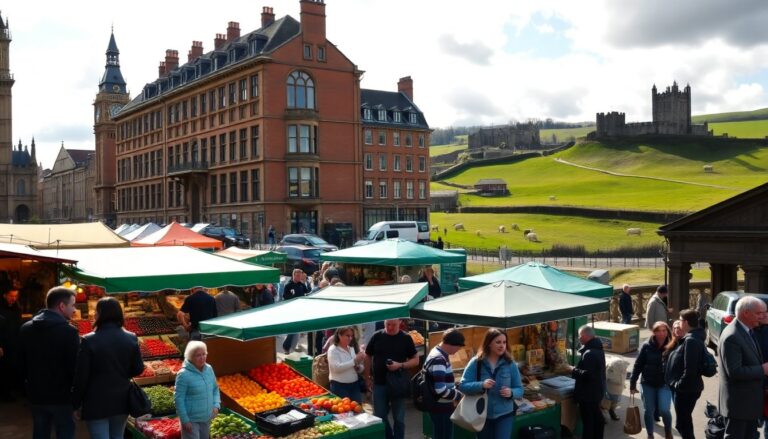
The United Kingdom presents a rich tapestry of cultures, languages, and traditions. From the bustling streets of London to the serene landscapes of Scotland, the UK showcases a diverse cultural heritage that reflects its complex history and the influences of various communities.
This article explores the key aspects of this cultural landscape, highlighting its unique characteristics and the factors that shape it.
The historical influence on UK culture
To appreciate the cultural diversity of the UK, it is essential to consider the profound historical influences that have shaped its identity.
The Roman conquest introduced various aspects of Roman culture, including architecture and engineering, which are still evident in structures like Hadrian’s Wall. Likewise, the Norman invasion in 1066 significantly impacted the English language and legal systems, laying the groundwork for modern British society.
Language and literature
The evolution of the English language is a testament to the UK’s rich cultural history. Words and phrases borrowed from Latin, French, and Norse have all contributed to what is now recognized as English. This linguistic evolution is mirrored in the country’s literary achievements, with authors such as William Shakespeare, whose works remain influential worldwide. The literary canon of the UK is a crucial element of its cultural heritage, showcasing the creativity and diversity of its people.
Modern cultural influences
Beyond its historical roots, the UK’s culture is continuously evolving, shaped by contemporary influences such as immigration and globalization. The multiculturalism present in major cities, particularly London, has created a vibrant mix of cultures, languages, and cuisines. This melting pot effect has also led to the emergence of new art forms, music genres, and culinary traditions that reflect the contributions of various communities.
Music and the arts
The UK’s music scene exemplifies this cultural dynamism. From the British Invasion of the 1960s, which introduced bands like The Beatles and The Rolling Stones to the world, to the rise of contemporary genres such as grime and UK garage, British music continues to influence global trends. In the visual arts, institutions like the Tate Modern and the Royal Academy of Arts showcase works that span centuries and reflect diverse cultural perspectives.
Regional cultural identities
The UK is characterized by distinct regional identities that contribute to its overall cultural landscape. Scotland, for example, is known for its rich traditions, including Highland games and the celebration of Burns Night, which honors the poet Robert Burns. Similarly, Wales boasts its own language, Welsh, and a strong tradition of music and poetry, as evidenced by the annual Eisteddfod festival.
Festivals and celebrations
Festivals play a significant role in showcasing regional cultures across the UK. Events like the Notting Hill Carnival in London celebrate Caribbean heritage, while the Edinburgh Festival Fringe highlights the arts and performance culture of Scotland. These events not only promote cultural exchange but also foster a sense of community and belonging among participants.
The cultural landscape of the UK is a complex and ever-evolving entity. It is shaped by historical legacies, modern influences, and regional identities that come together to create a rich tapestry of traditions and expressions. Engaging with this diversity helps recognize and celebrate the unique contributions of various communities that make the UK a truly remarkable place.
