

Explore the growing trend of circular economy in multinational corporations and its potential for sustainable business.
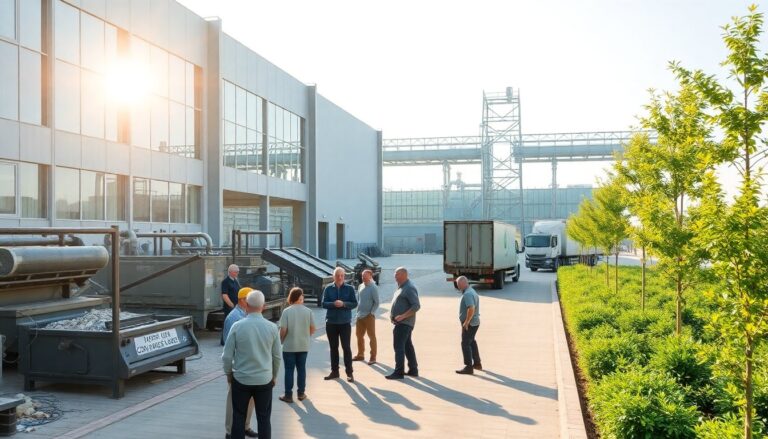
The rise of circular economy practices in multinational corporations
As we progress through the 21st century, circular economy practices are increasingly defining the corporate landscape. Many companies now recognize that transitioning from a linear to a circular model is not only an environmental necessity but also a business case that can enhance profitability and resilience.
Emerging trends in sustainability
Recent studies reveal a significant evolution in corporate sustainability strategies. Multinational corporations are adopting principles that minimize waste and promote resource efficiency. This shift is largely driven by regulatory pressures and the growing consumer demand for transparency and sustainability.
Consequently, companies are re-evaluating their supply chains and product designs.
Business case and economic opportunities
From a business perspective, the circular economy offers numerous opportunities. By implementing circular design, companies can lower costs related to raw materials and waste management.
Additionally, transitioning to a circular model can create new revenue streams through services such as product leasing and refurbishment. The Ellen MacArthur Foundation estimates that moving to a circular economy could yield $4.5 trillion in economic benefits by 2030.
How to implement circular economy in practice
Implementing circular economy principles necessitates a strategic approach. Companies should begin by conducting a comprehensive Life Cycle Assessment (LCA) to assess the environmental impacts of their products. This data informs decisions on resource sourcing, product design, and end-of-life strategies. Furthermore, collaboration with suppliers and stakeholders is essential to ensure that sustainability objectives are achieved throughout the value chain.
Pioneering companies leading the way
Several companies exemplify the successful adoption of circular economy practices. For instance, Unilever has pledged to ensure that all its plastic packaging is recyclable, reusable, or compostable by 2025. Similarly, Patagonia has embraced a circular model by encouraging customers to repair and recycle their products, thereby extending their lifecycle.
Roadmap for the future
Looking forward, companies must prioritize sustainability as a fundamental aspect of their business strategy. This includes establishing ambitious targets for carbon neutrality across scope 1, 2, and 3 emissions. By fostering a culture of innovation and sustainability, businesses can not only comply with regulations but also secure a competitive edge in the marketplace.
