

Impact of Incidents on Community Safety Incidents have the potential to significantly transform the safety dynamics within a community.
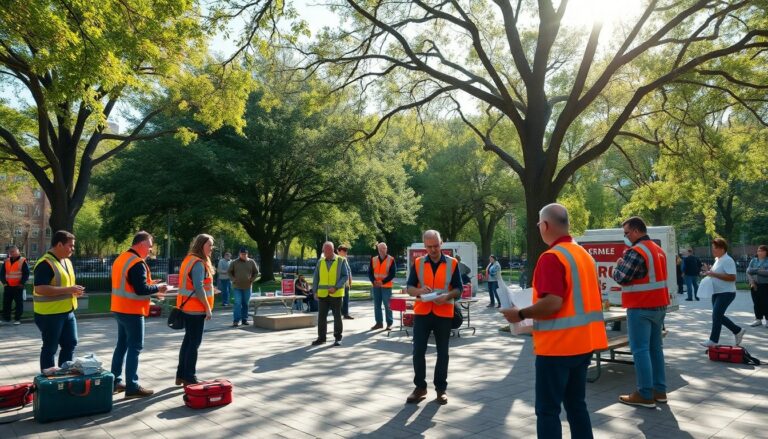
Incidents can range from minor accidents to major disasters, each carrying unique implications for community safety. Understanding how these events influence public response, policy changes, and community resilience is crucial for fostering a safer environment. This article delves into the different types of incidents, their impacts on safety, and how communities can better prepare for future occurrences.
Types of incidents and their consequences
Incidents can be classified into several categories, including natural disasters, accidents, and criminal activities. Each type presents distinct challenges and requires tailored response strategies. Natural disasters, such as hurricanes and earthquakes, often lead to significant property damage and loss of life, compelling communities to implement rigorous emergency preparedness plans.
Natural disasters
When a community experiences a natural disaster, the immediate effects can be devastating. For example, a hurricane can lead to flooding, destruction of infrastructure, and displacement of residents. The aftermath necessitates a coordinated response from local authorities, state agencies, and non-profit organizations.
This collaboration is essential not only for rescue and recovery efforts but also for rebuilding and improving infrastructure resilience against future disasters.
Accidents and their impact
Accidents, whether they occur in the workplace, on the road, or at home, can significantly affect community safety. An increase in traffic accidents may prompt local governments to reevaluate road safety measures, implement stricter regulations, or invest in public awareness campaigns. Furthermore, workplace accidents can lead to changes in safety protocols and regulations, ensuring that similar incidents are less likely to occur in the future.
The role of criminal activities
Criminal activities, such as violent crimes or property crimes, can create a pervasive sense of insecurity within a community. This can lead to a breakdown in social cohesion and a decrease in the quality of life for residents. In response, communities often turn to law enforcement for solutions, which may include increased patrols, community policing initiatives, and engagement with local organizations to address underlying issues.
Community response and resilience
Building community resilience is essential in the face of various incidents. Resilience refers to the ability of a community to recover from setbacks and adapt to change. When communities work together to develop response plans, engage in training, and foster a culture of preparedness, they can significantly reduce the impacts of incidents. For example, communities that conduct regular emergency drills and training programs are often better equipped to handle crises when they arise.
Policy implications
Incidents often lead to changes in policy at both the local and national levels. Following a significant disaster, governments may implement stricter building codes or enhance disaster response protocols. These policy changes are crucial for improving overall community safety and ensuring that lessons learned from past incidents are integrated into future planning.
Understanding the various types of incidents and their implications on community safety is vital for effective planning and response. By recognizing the unique challenges posed by natural disasters, accidents, and criminal activities, communities can develop comprehensive strategies to enhance resilience and reduce vulnerabilities. A proactive approach to incident management protects lives and property while fostering a sense of unity and cooperation within the community.
