

Explore the Rich Tapestry of Cultural Diversity Shaping Modern UK Society.
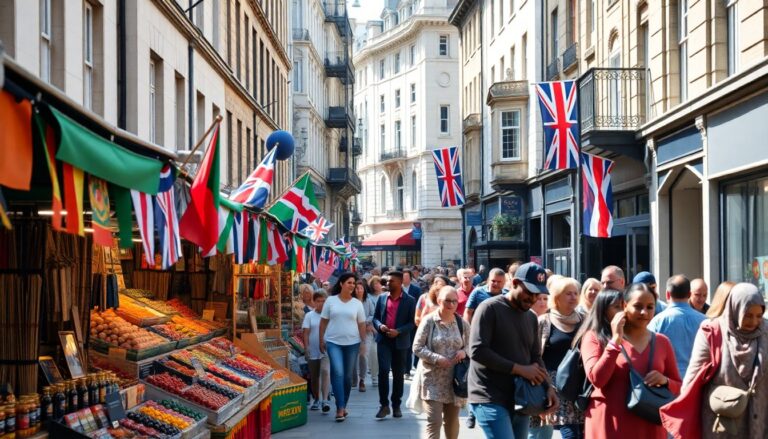
The United Kingdom is celebrated for its extensive history and vibrant culture, shaped by centuries of immigration, colonization, and global interactions. This multicultural landscape reflects both a storied past and a dynamic present, continuously evolving within modern society. This article examines the influences that contribute to the UK’s cultural diversity, highlighting how various communities coexist and enrich the social fabric.
The historical context of cultural diversity in the UK
The cultural diversity of the UK has deep roots in its colonial history and the extensive trade networks of the British Empire. As the empire expanded, individuals from Africa, Asia, and the Caribbean moved to the UK, creating a rich tapestry of cultures.
A notable example is the Windrush Generation, whose arrival after World War II brought unique traditions, music, and culinary influences that continue to shape British culture today.
Understanding the impact of immigration waves
The United Kingdom has seen significant immigration waves throughout the 20th and 21st centuries, each adding to its rich cultural fabric.
In the 1970s and 1980s, there was a notable increase in immigrants from South Asia, particularly India, Pakistan, and Bangladesh. This influx brought with it diverse culinary traditions, vibrant festivals, and a variety of religious practices that have become essential to British culture. Today, cities such as London and Birmingham are recognized for their multicultural neighborhoods, where ethnic communities coexist and contribute to the social landscape.
The contemporary cultural landscape
The cultural diversity of the UK is strikingly visible across various domains, including art, music, and literature. The hip-hop scene, for example, showcases significant contributions from artists of African and Caribbean descent. Their work often reflects urban life and addresses pressing social issues. In literature, authors like Zadie Smith and Malorie Blackman have made their mark by delving into themes of identity and belonging within a multicultural framework.
Festivals and celebrations
The UK is home to a wide range of festivals that highlight its cultural diversity. The Notting Hill Carnival is a prime example, showcasing the richness of Caribbean culture. In Leicester, the Diwali celebrations reflect the vibrant South Asian community. These events offer more than just entertainment; they promote understanding and appreciation of different cultures and create opportunities for communities to unite in celebration.
Challenges of multiculturalism
The UK enjoys a rich cultural tapestry, but it also grapples with challenges that can hinder social cohesion and integration. Issues such as discrimination, racism, and xenophobia pose risks to community relations, especially during periods of economic strain or political unrest. A pivotal moment was the Brexit referendum, which intensified debates around immigration and national identity, raising important questions about the future of multiculturalism in the UK.
Promoting inclusivity and understanding
Addressing the challenges of cultural diversity requires a focused effort to promote inclusivity and understanding among various communities. Education is a key factor in this process. Schools and institutions can cultivate respect for diversity and facilitate constructive dialogue. Initiatives that celebrate cultural exchange, such as interfaith dialogues and cultural competency training, are effective in bridging gaps between communities and fostering a more harmonious society.
The cultural diversity of the UK highlights its rich history and ongoing evolution. Embracing this diversity while proactively addressing the associated challenges can lead to a society that values its heritage and aspires to a more inclusive future.
