

First Cymru Drivers Strike for Fair Pay, Disrupting Public Transport Services in Wales Drivers at First Cymru are currently on strike, advocating for fair compensation. This action is significantly impacting public transport services across Wales, leading to service delays and cancellations. The drivers are united in their demand for equitable pay, highlighting the importance of fair treatment in the transportation sector.
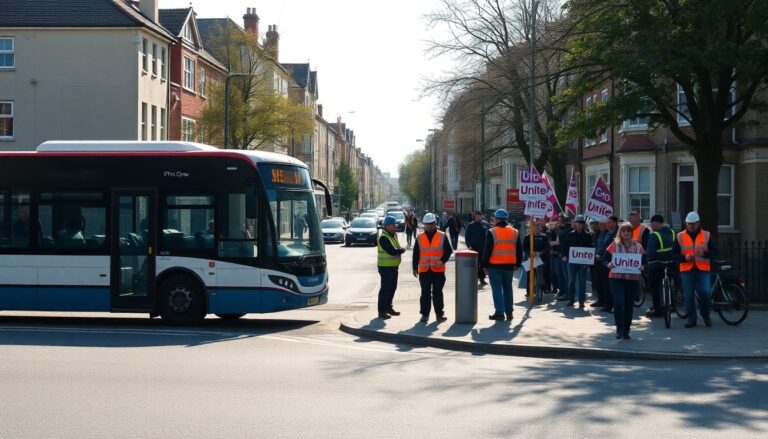
Next week, drivers from First Cymru are set to initiate a strike due to ongoing pay disputes with the trade union Unite. This industrial action will commence on Wednesday, October 22, and is expected to last until Saturday, October 25.
The strike is likely to disrupt bus services throughout South and West Wales, posing significant challenges for commuters reliant on public transportation.
In addition to this initial strike, further actions are scheduled from October 30 to November 2 and again from November 5 to November 8.
This planned timeline underscores a serious escalation in the negotiations between First Cymru and its employees, emphasizing the urgent need for a resolution.
Demands for fair pay
The striking employees are demanding a pay rate of £15 per hour, asserting that this figure is more in line with earnings at Cardiff Bus and Arriva in North Wales.
The workforce affected includes drivers, cleaners, engineers, and various support staff based in depots in Swansea, Port Talbot, Bridgend, Carmarthen, Haverfordwest, and Ammanford.
Reasons behind the strike
The union reports that drivers have rejected a proposed 5% pay increase, primarily citing that it fails to address a significant backpay claim they assert remains unpaid. Union representatives highlight that First Cymru offers new recruits considerably lower wages during their first year of employment, which has intensified frustration among the staff.
Union’s stance against First Cymru
Sharon Graham, general secretary of Unite, highlighted the significant disparity between First Group’s profits and its treatment of employees. She stated, “First Group is a massively profitable entity generating millions, yet it is treating its workforce, along with the communities they serve in Wales, with utter disregard.” The union’s leadership considers the proposed pay rise insufficient and asserts that withholding backpay is entirely unacceptable.
Alan McCarthy, a regional coordinating officer for the union, further commented that the upcoming strike is a direct response to the company’s failure to negotiate in good faith. He remarked, “This strike will effectively halt bus services across vast areas, and it is a situation entirely of First Cymru’s own making. All our members seek is equitable compensation in line with their counterparts at other bus companies and for that pay to be retroactively applied.”
Impact on public transport
First Cymru has issued a warning regarding an impending strike that will cause significant disruptions for passengers relying on their bus services. The company recognizes the likely impact of this industrial action and has pledged to keep the public updated about service interruptions via their website.
The planned strikes are set to involve a substantial number of employees from various sectors within the company, which will likely amplify the disruption. As the situation progresses, many individuals who depend on these bus services will need to explore alternative transportation options.
Next steps in the negotiation process
Ongoing negotiations ahead of planned strikes
First Cymru is currently engaged in discussions with the Unite union to avert impending strikes. The goal is to reach a resolution before the scheduled industrial actions commence. With two sets of strikes already confirmed, time is of the essence for both parties to find a mutually beneficial agreement.
Communications for passengers
Updates on any changes or developments regarding the strike situation will be shared through official channels. This will ensure that passengers receive essential information as the situation evolves. The upcoming weeks will be crucial in shaping the outcome of this labor dispute and determining the future of public transport services in South and West Wales.
