

Explore the profound history and transformative impact of sports across diverse cultures.
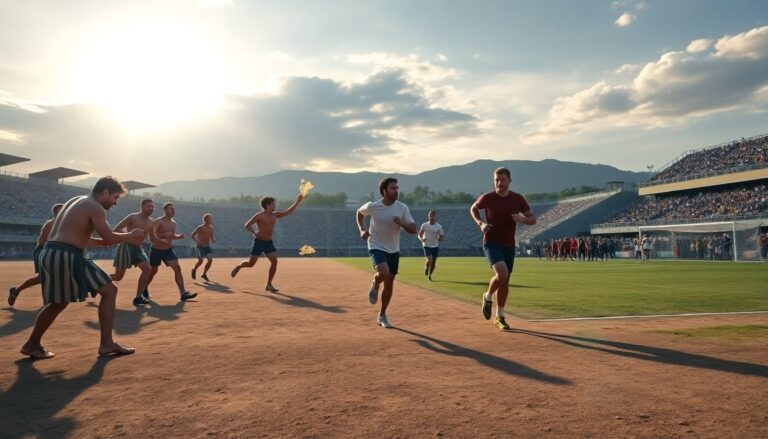
Throughout history, sports have played a vital role in human culture and society. The evolution of sport reflects not only physical prowess but also cultural values and social dynamics. This article examines the journey of sports from ancient times to the contemporary era.
The origins of sport can be traced back to ancient civilizations, where physical contests were often linked to religious ceremonies and societal norms. The Olympic Games, which began in ancient Greece in 776 BC, were held in honor of the god Zeus and featured various athletic competitions, including running, wrestling, and chariot racing.
These events showcased individual talent and the cultural pride of city-states.
The role of sport in ancient civilizations
In many ancient cultures, sports served as a means of training for warfare, as physical fitness was essential for survival. The Romans and Greeks organized games that were entertaining and prepared young men for battle.
Soldiers participated in events testing strength, agility, and endurance, reinforcing the notion that physical capability was crucial to military success.
Sports in ancient Greece
In ancient Greece, the Olympics symbolized unity among city-states, promoting a spirit of competition and camaraderie. The games were so significant that they paused wars to allow athletes to compete in peace. Athletes were celebrated and rewarded for their achievements, gaining immense honor and status within their communities.
Sports in ancient Rome
Similarly, in ancient Rome, the Colosseum hosted grand spectacles, including gladiatorial combat and chariot races, captivating audiences with thrilling displays of skill and bravery. These events entertained the masses and served as a means for emperors to gain popularity and distract citizens from social issues.
The transformation of sports in the modern era
As societies evolved, so did the nature of sports. The transition from ancient games to organized sports in the 19th century marked a significant shift. The establishment of formal rules and regulations allowed for a more structured approach to competition. This period saw the rise of various sports, including football, cricket, and tennis, which began to take shape as we know them today.
With the advent of the Industrial Revolution, urbanization brought people together, fostering a sense of community through organized sports. Leagues were formed, and sports clubs emerged, providing a platform for individuals to compete and socialize. This shift changed the dynamics of sports, making them accessible to the working class, who sought entertainment and community engagement.
The global impact of sports
In the 20th century, sports transcended borders, becoming a global phenomenon. The establishment of international competitions like the FIFA World Cup and the Olympic Games highlighted the unifying power of sports. Athletes became global celebrities, and sporting events offered a stage for cultural exchange and international diplomacy.
Technology and sports
The introduction of technology has also played a significant role in the evolution of sports. Innovations such as instant replay, performance analytics, and wearable technology have transformed the way athletes train and compete. These advancements have led to improved performance and enhanced spectator experiences, making sports more engaging and accessible than ever.
Today, sports continue to evolve, reflecting changes in society and culture. Issues such as gender equality, diversity, and sustainability are increasingly at the forefront of discussions within the sports community. The rise of women’s sports and initiatives aimed at promoting inclusivity highlight the ongoing transformation of the sports landscape.
The future of sports
The origins of sport can be traced back to ancient civilizations, where physical contests were often linked to religious ceremonies and societal norms. The Olympic Games, which began in ancient Greece in 776 BC, were held in honor of the god Zeus and featured various athletic competitions, including running, wrestling, and chariot racing. These events showcased individual talent and the cultural pride of city-states.0
