

Madagascar's Political Landscape: Navigating Change After a Coup The political landscape in Madagascar is undergoing significant transformation following a recent coup, resulting in uncertainty about the country's future. This pivotal moment presents both challenges and opportunities as the nation grapples with the implications of leadership change. Stakeholders are closely monitoring developments, as the evolving situation could redefine Madagascar's governance, economic stability, and...
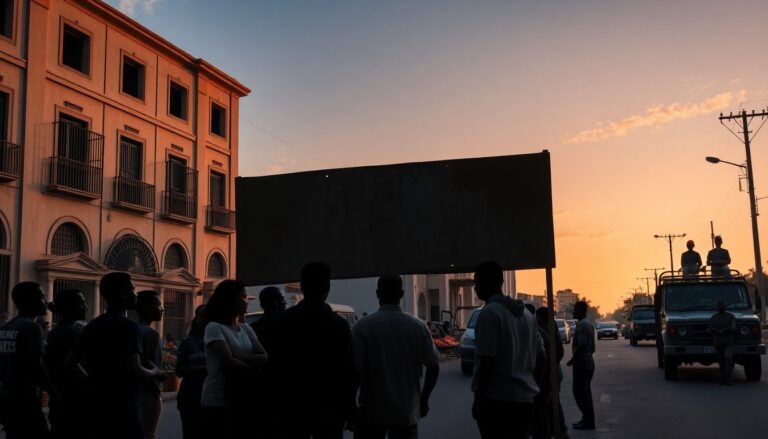
The military coup in Madagascar has plunged the nation into a state of uncertainty. This political upheaval raises significant questions regarding the country’s future trajectory. Given Madagascar’s history of political instability, the current situation complicates its governance further.
Following the coup, citizens are left contemplating the impact on their daily lives. The military’s takeover often leads to the suspension of democratic processes, which can substantially alter the social and economic landscape of the nation. Grasping the implications of these changes is vital for understanding what lies ahead for Madagascar.
Political dynamics and its implications
The transition of power in Madagascar represents more than just a change in leadership; it indicates possible shifts in political dynamics that could have widespread effects. Political instability can deter foreign investment, disrupt trade, and create an environment of uncertainty that stifles economic growth.
Furthermore, military control may suppress dissent, potentially leading to unrest among the populace. Political repression often fosters discontent, and if citizens’ voices remain silenced, it could trigger protests and civil unrest.
Impact on civil liberties
A pressing concern following a military takeover is the impact on civil liberties. Military regimes frequently impose restrictions on freedom of expression and assembly, severely limiting citizens’ ability to voice opinions or protest against the government.
As restrictions tighten, media outlets may face increased scrutiny, stifling independent journalism. The role of the press as a watchdog is crucial in holding power accountable; any diminishment of this role can lead to decreased transparency and heightened corruption.
Economic consequences of the coup
The economic implications of a military coup can be profound and far-reaching. Investors typically seek stability, and uncertainty surrounding Madagascar’s political future may deter foreign investment, adversely affecting job creation and economic conditions.
Moreover, essential sectors such as tourism, vital for Madagascar’s economy, could face significant challenges. Travelers often avoid destinations perceived as unstable, resulting in a decline in revenue for businesses reliant on tourism.
International reactions and aid
International reactions to the coup will play a crucial role in shaping Madagascar’s future. Countries and organizations may impose sanctions or withdraw aid, complicating the economic landscape. The international community often exerts considerable influence in post-coup scenarios through diplomatic pressure and economic assistance.
For Madagascar, securing international support is essential. Aid can provide much-needed resources for rebuilding the nation and supporting its citizens during this turbulent time. However, the nature of that aid may depend on how the new regime addresses governance and human rights.
The path forward
Following the coup, citizens are left contemplating the impact on their daily lives. The military’s takeover often leads to the suspension of democratic processes, which can substantially alter the social and economic landscape of the nation. Grasping the implications of these changes is vital for understanding what lies ahead for Madagascar.0
Following the coup, citizens are left contemplating the impact on their daily lives. The military’s takeover often leads to the suspension of democratic processes, which can substantially alter the social and economic landscape of the nation. Grasping the implications of these changes is vital for understanding what lies ahead for Madagascar.1
