

Explore the Rich Tapestry of England's History and Culture
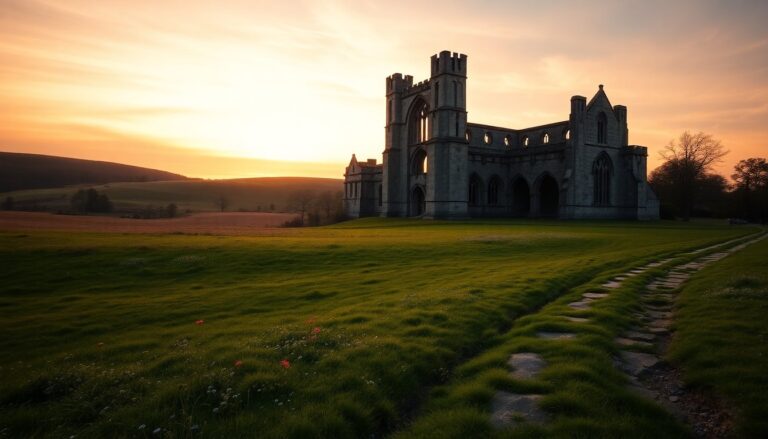
England, the largest country in the United Kingdom, is known for its rich history and vibrant culture. From its medieval castles to modern cities, the landscape of England narrates a story of evolution, resilience, and innovation. This article explores the historical milestones and cultural nuances that have shaped England into the nation it is today.
The historical tapestry of England
The history of England spans thousands of years, starting with the ancient Celts and followed by the Roman invasion in 43 AD. The Romans significantly influenced England, establishing infrastructure such as roads and cities that laid the foundation for future development.
After the fall of the Roman Empire in the 5th century, the country experienced the rise of the Anglo-Saxons, who introduced their own traditions and societal structures.
The Norman conquest
One of the most pivotal moments in English history is the Norman conquest of 1066.
Led by William the Conqueror, this invasion significantly altered the social and political landscape of England. The introduction of the feudal system transformed land ownership and governance. Additionally, the construction of iconic structures such as the Tower of London marked a shift in power dynamics.
The cultural evolution of England
England’s cultural landscape reflects its rich historical experiences, shaped by invasions, trade, and a fusion of diverse traditions. The Renaissance period sparked a flourishing of arts and sciences, with prominent figures like William Shakespeare and Christopher Wren making lasting contributions to literature and architecture. This era established the foundation for England’s enduring global cultural influence.
The Industrial Revolution and its impact
The Industrial Revolution, which commenced in the late 18th century, represents a significant turning point in English history. This era introduced remarkable technological advancements and spurred a shift towards urbanization. As a result, England transitioned from an agrarian society into an industrial powerhouse.
This transformation not only altered the economic landscape but also reshaped social structures. The emergence of the working class became prominent, accompanied by the establishment of labor rights. These changes laid the groundwork for modern societal dynamics, influencing various aspects of daily life and work.
Modern England: A cultural melting pot
England stands out for its rich diversity and multiculturalism. Cities such as London exemplify this dynamic, where global traditions blend to form a distinct cultural tapestry. This fusion is evident in the culinary scene, music, and various festivals celebrated across the nation. Events like the Notting Hill Carnival and Diwali in Leicester illustrate how England honors and showcases its multicultural heritage.
In addition to its vibrant cultural scene, England remains a leader in various fields, including education, technology, and the arts. Institutions such as Oxford and Cambridge draw students from around the world, enriching the cultural landscape further. The British Museum houses artifacts from different eras and regions, underscoring England’s commitment to preserving history while fostering global understanding.
The evolution of England’s culture
The history and culture of England represent interwoven narratives that reflect the country’s evolution. From ancient civilizations to modern multiculturalism, each chapter adds to the rich tapestry that defines England today. Understanding this history is essential for appreciating England’s present and future as it continues to evolve while honoring its storied past.
