

Engage with the Rich History and Vibrant Culture of England Delve into the captivating history of England, where centuries of heritage shape its present. Experience the unique cultural tapestry that includes iconic landmarks, traditional customs, and renowned literary contributions. Join us in discovering the stories that define England’s past and present, and immerse yourself in a journey through time.
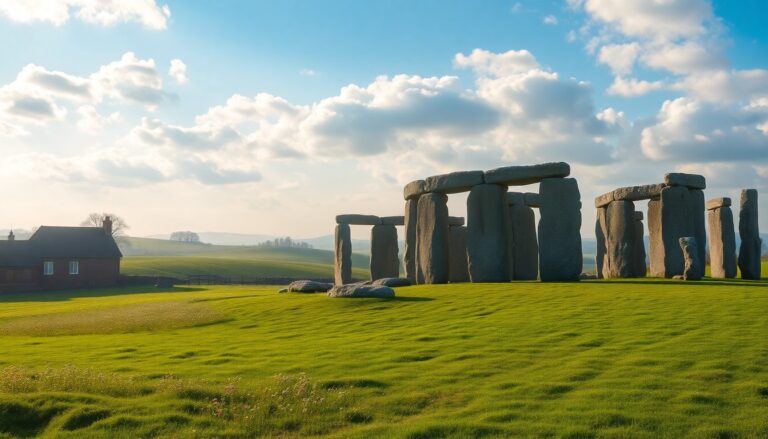
England is a land steeped in history and culture, home to some of the world’s most iconic landmarks and traditions. From the ancient stone circles of Stonehenge to the bustling streets of London, England offers a tapestry of experiences that reflect its storied past and vibrant present.
This article delves into England’s rich historical landscape, examining key events and figures that have shaped its identity. Additionally, it explores the cultural influences that continue to define England today, from literature and art to music and cuisine.
The historical significance of England
England’s history can be traced back to the Bronze Age, with archaeological evidence suggesting that communities thrived in the region long before the Romans arrived. The Roman conquest of Britain in 43 A.D. marked a significant turning point, introducing advanced engineering, architecture, and urban planning, which can still be seen in cities like Bath and York.
Major historical events
One of the most pivotal events in English history was the Norman Conquest of 1066, which brought about profound changes in governance and land ownership. The Doomsday Book, commissioned by William the Conqueror, offers a detailed survey of the land and its resources, providing insights into medieval society and economy.
Another significant chapter in England’s history is the Tudor period, marked by the reign of Henry VIII and the establishment of the Church of England. This era not only transformed religious practices but also had a lasting impact on politics and culture. The Elizabethan Age, often referred to as the golden age of English history, saw the flourishing of the arts, particularly in literature, with playwrights like William Shakespeare and Christopher Marlowe gaining prominence.
Cultural heritage and traditions
England’s cultural heritage is as diverse as its history, characterized by a blend of influences from various eras and communities. Traditional customs, such as afternoon tea and pub culture, are integral to daily life and reflect the social fabric of the nation.
Literature and the arts
England has produced some of the greatest literary figures in history, and its impact on global literature is undeniable. From the works of Charles Dickens to the poetry of John Keats, English literature has explored themes of love, society, and human experience. The annual London Book Fair showcases this vibrant publishing scene, attracting authors, agents, and readers from around the world.
The arts also play a crucial role in England’s cultural identity. The Royal Academy of Arts and institutions like the Tate Modern highlight England’s commitment to preserving and promoting artistic expression. The British Museum, home to a vast collection of world history artifacts, reflects England’s historical significance as a cultural hub.
Modern England
Today, England stands at the crossroads of tradition and modernity. Its cities are vibrant, multicultural hubs where ancient architecture coexists with contemporary designs. The London Eye and the Shard symbolize the country’s innovation while still paying homage to its rich historical roots.
Moreover, England’s influence extends to global culture, particularly in music. The British Invasion of the 1960s, led by bands like The Beatles and The Rolling Stones, reshaped the music industry and continues to inspire artists worldwide. Events such as the Glastonbury Festival highlight England’s dynamic music scene, fostering creativity and bringing together diverse audiences.
This article delves into England’s rich historical landscape, examining key events and figures that have shaped its identity. Additionally, it explores the cultural influences that continue to define England today, from literature and art to music and cuisine.0
