

Explore the Impact of Incidents and Their Broader Implications
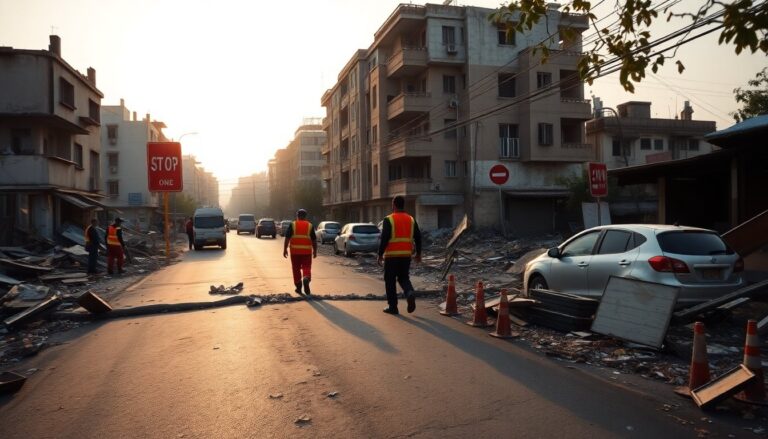
Every year, the world witnesses a variety of incidents, ranging from natural disasters to man-made crises. These incidents are not isolated events; they often have profound implications on society, the economy, and the environment. Understanding the nature of these incidents can help us prepare better and respond more effectively.
In this article, we will explore the definition of an incident, the different types of incidents, and the overall impact they can have on communities. We will also delve into case studies that illustrate these concepts in action.
The definition of an incident
At its core, an incident can be defined as an event that disrupts normal operations or poses a risk to safety. According to official sources, incidents can range from minor disruptions to catastrophic events. This broad definition encompasses a wide variety of situations, including accidents, emergencies, and crises.
One of the primary distinctions in understanding incidents is the difference between a crisis and an emergency. While both terms are often used interchangeably, an emergency typically refers to an immediate threat that requires urgent action, whereas a crisis involves a situation that can escalate quickly and have long-term consequences.
Types of incidents
Incidents can be categorized into several types based on their nature and impact. Understanding these categories helps organizations and individuals prepare better. Here are some common types:
Natural incidents
Natural incidents, such as earthquakes, hurricanes, and wildfires, are caused by natural forces. These incidents often result in significant loss of life and property. For example, the 2010 Haiti earthquake resulted in widespread destruction, leaving millions homeless and prompting a global humanitarian response.
Human-caused incidents
On the other hand, human-caused incidents include terrorist attacks, industrial accidents, and cyberattacks. These events highlight the vulnerabilities of societies and systems. A notable example is the September 11 attacks in the United States, which not only resulted in immediate loss of life but also led to sweeping changes in national security policies.
The impact of incidents on society
The repercussions of incidents extend far beyond the immediate effects. They often lead to long-term consequences for affected communities. The economic impact can be devastating; for example, after a major natural disaster, local economies can take years to recover. Furthermore, the psychological impact on individuals and communities can be profound, leading to issues such as post-traumatic stress disorder (PTSD) and anxiety.
Moreover, incidents can also result in changes to legislation and policy. Following significant events, governments often enact new regulations aimed at preventing similar occurrences in the future. For instance, the BP oil spill in 2010 led to stricter regulations on offshore drilling, reshaping the industry.
Lessons learned from past incidents
Understanding the lessons learned from past incidents is crucial for improving future responses. Many organizations conduct post-incident analyses to evaluate what went wrong and what could have been done differently. These evaluations often lead to enhanced training, better resource allocation, and improved communication strategies.
In this article, we will explore the definition of an incident, the different types of incidents, and the overall impact they can have on communities. We will also delve into case studies that illustrate these concepts in action.0
What’s next
In this article, we will explore the definition of an incident, the different types of incidents, and the overall impact they can have on communities. We will also delve into case studies that illustrate these concepts in action.1
