

Explore the profound global impact of natural disasters on Pakistan and India.
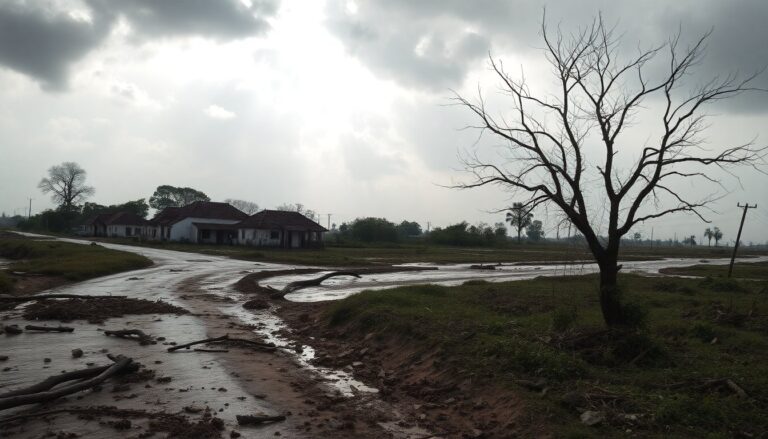
Natural disasters present significant challenges to both affected nations and the global community. Pakistan and India are prime examples of how such events can impact economies and societies far beyond their borders. Understanding the implications of these disasters is critical for policymakers and international organizations.
The economic costs associated with natural disasters extend beyond immediate damages. They include lost productivity, increased healthcare expenses, and long-term impacts on infrastructure. In South Asia, where both countries frequently experience floods, earthquakes, and droughts, the cumulative effects can be devastating.
The facts
When a significant disaster strikes, the immediate response typically focuses on rescue and recovery efforts. However, the macro-economic ramifications can persist for years. For example, the floods in Pakistan caused losses exceeding $9 billion, severely impacting agricultural production—a vital component of the nation’s economy.
This loss affected local farmers and resulted in higher food prices globally, illustrating how localized disasters can influence international markets.
Infrastructure and investment challenges
Infrastructure is vital for disaster resilience. Damage to roads, bridges, and communication systems can hinder a region’s recovery. In India, frequent cyclones and floods have created a cycle of reconstruction that diverts funds from development projects. Investment in robust infrastructure is essential; however, the financial burden from disasters often obstructs long-term planning. As resources are redirected to address immediate damages, the potential for future growth diminishes.
The consequences
Beyond economic impacts, natural disasters lead to profound social consequences. Population displacement is common, often resulting in urban congestion as individuals migrate to cities in search of better opportunities. For instance, the 2001 Gujarat earthquake in India left millions homeless, creating challenges for housing and basic services in urban areas. This strain on urban infrastructure can increase poverty and social unrest.
Additionally, the psychological toll on affected communities can be significant. Survivors often experience trauma, which can hinder recovery efforts and social stability. Addressing mental health in the aftermath of disasters is crucial for governments and NGOs, as it plays a pivotal role in the overall recovery process.
The role of international aid and cooperation
International aid has become essential for nations dealing with the aftermath of natural disasters. However, the effectiveness of this aid can vary. In many instances, assistance may arrive too late or be insufficient to address the scale of devastation. For example, while international organizations mobilized quickly after the 2005 Kashmir earthquake, logistical challenges in reaching remote areas hindered relief efforts.
Moreover, cooperation between nations can bolster resilience against future disasters. Collaborative efforts in disaster preparedness, response training, and resource sharing can significantly improve outcomes. For instance, joint initiatives between India and Pakistan in sharing meteorological data have the potential to save lives by providing timely warnings of impending disasters.
The interconnectedness of our world means that the consequences of natural disasters in Pakistan and India extend beyond their borders. Understanding the economic and social dynamics at play is essential for developing effective strategies to mitigate these impacts. As global citizens, recognizing the importance of investing in disaster preparedness and resilience is vital to safeguard not just affected nations but the global community as a whole.
