

Huel Addresses Protein Powder Safety Concerns Amid Lead Level Warnings from Consumer Watchdog
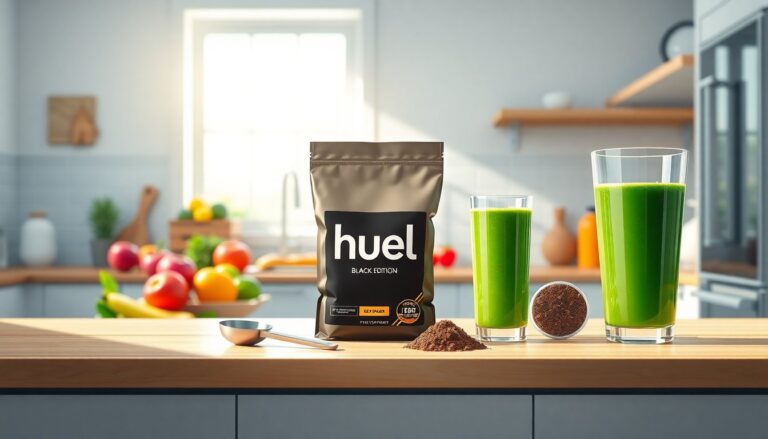
Concerns have arisen regarding the safety of Huel’s Black Edition protein powder, following a report from the non-profit organization Consumer Reports. The study claims that the product contains lead levels that may pose risks to consumer health. Huel, known for its nutritionally complete meal replacement powders, has responded firmly, asserting that their products meet safety standards.
Understanding the safety claims
The Consumer Reports study evaluated 23 different protein powders and found that over two-thirds contained lead levels exceeding what is deemed safe for daily consumption. Specifically, the report noted that Huel’s Black Edition had more than 6 micrograms of lead per serving, raising concerns among health advocates.
Huel responds to safety concerns
William Patterson, Marketing Director of Huel UK, addressed safety concerns in an interview with the Daily Mail. He described the report as a case of unnecessary alarmism, stating that researchers used an ultra-conservative threshold for lead levels.
Patterson highlighted that Huel’s products meet UK and EU food safety standards, which are less stringent than those outlined by California’s Proposition 65, referenced in the report’s assessment.
Comparative safety standards
Understanding the varying thresholds for lead consumption is crucial. In the UK, the guidance recommends a maximum daily intake of 135 micrograms. The European Union permits a higher limit of 270 micrograms daily. Conversely, a study by Consumer Reports advises that lead exposure should be restricted to only 0.5 micrograms per day. This aligns with the FDA‘s position that there is no recognized safe level of lead exposure.
Natural presence of lead in food
Experts indicate that the presence of trace minerals such as lead in food products is not uncommon. According to Patterson, lead naturally occurs in the environment as plants absorb it from the soil. For example, a typical meal consisting of sausages, potatoes, and vegetables may contain approximately 5 micrograms of lead. Adults typically consume between 20 and 80 micrograms of lead daily through their regular meals.
Health implications of lead exposure
While Huel’s safety has been affirmed by its founder, experts such as Pieter Cohen from Harvard Medical School urge caution regarding the broader issues of heavy metal contamination in dietary supplements. Cohen emphasized that the report reveals significant challenges within the food supplement industry. Long-term exposure to lead can result in serious health complications, particularly in children, whose brains and bodies are still developing. The effects of lead poisoning can include iron deficiency, damage to internal organs, and seizures.
Historical context and regulations
Global initiatives have successfully reduced blood lead levels since the removal of lead from petrol in 1999, demonstrating progress in public health. Nevertheless, the ongoing debate about safety levels persists, with some advocating for stricter regulations to enhance consumer safety.
Concerns regarding lead levels in Huel’s Black Edition protein powder have emerged. However, the company asserts that its products comply with all relevant safety standards. Huel highlights that trace elements are commonly found in various foods. The company conducts thorough testing to ensure the safety of its consumers.
