

Creating a Hedgehog-Friendly Garden: A Step-by-Step Guide Are you looking to attract hedgehogs to your garden? Follow this comprehensive guide to design a welcoming habitat for these charming creatures. 1. Provide Food Sources: - Offer hedgehog-specific food, including high-protein cat food or specialized hedgehog pellets. Avoid milk and bread, as they can harm hedgehogs. 2. Create Safe Shelters: - Build or purchase hedgehog houses made from untreated wood. Ensure they are insulated and...
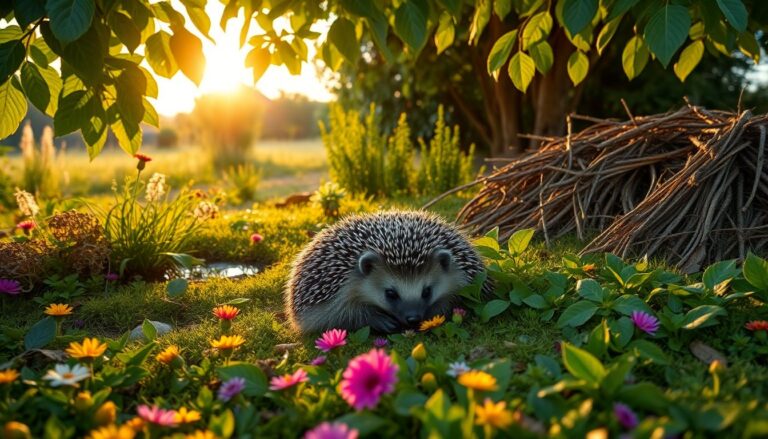
Homeowners are increasingly interested in welcoming hedgehogs into their gardens. These small creatures not only provide charming entertainment but also play a critical role in pest management. By consuming slugs, snails, and various insects, hedgehogs help protect plants from potential harm.
Moreover, encouraging their presence contributes to the conservation of a species facing significant decline.
Hedgehogs are primarily nocturnal, making their appearances most common during evening hours from April to October. However, they may be spotted foraging during the day, particularly in summer when daylight lasts longer or in late summer and early autumn when young hedgehogs seek food.
If a hedgehog is seen during the cooler months, especially in daylight, it may indicate that the animal is unwell.
Creating a welcoming habitat
To attract hedgehogs to your garden, it is essential to create an environment that meets their needs.
Gardening expert Deb emphasizes the importance of establishing a hedgehog highway. This involves providing an opening in your fence or a gap beneath the garden gate, facilitating their movement in search of food and shelter.
Providing shelter
Hedgehogs prefer safe, secluded areas for resting and hibernating. Ideal spots include log piles, compost heaps, or specially designed hedgehog houses placed in shaded locations. These shelters not only serve as resting places but also protect hedgehogs from predators. Additionally, providing fresh water is crucial; ensure a bowl of clean water is available, as milk can be harmful to them.
Food sources
To nourish hedgehogs, scatter specially formulated hedgehog biscuits around your garden. These treats entice them to visit while ensuring they receive necessary nutrients. The presence of leafy trees and dense vegetation can also enhance your garden’s appeal. If your outdoor space lacks these features, consider planting some to improve the habitat.
Building a wild corner
Establishing a designated “wild corner” in your garden can significantly benefit hedgehogs. By accumulating garden waste, leaves, and logs in a specific area, you provide essential nesting materials and a safe refuge. Alternatively, a ready-made hedgehog house can be purchased or constructed.
Log piles are particularly advantageous, especially if you frequently use your fireplace. They not only provide shelter for hedgehogs but also attract insects like beetles and woodlice, which are vital food sources for these creatures. Log piles offer a safe environment for breeding, hibernating, and resting, ensuring hedgehogs thrive in your garden.
Encouraging hedgehog visits
Simple modifications to your garden can significantly increase the likelihood of hedgehogs visiting. In addition to providing food and shelter, maintain a tranquil and dry garden free from disturbances. This creates an ideal environment for hedgehogs to nurture their young and hibernate securely through colder months.
Attracting hedgehogs to your garden is rewarding and contributes to the conservation of these charming creatures. By creating a hedgehog-friendly habitat, you can enjoy their presence while supporting their survival in a world where their numbers are dwindling. Take the initiative to transform your outdoor space into a haven for hedgehogs and appreciate the joy they bring.
