

Explore England's rich cultural heritage, iconic historical landmarks, and breathtaking landscapes.
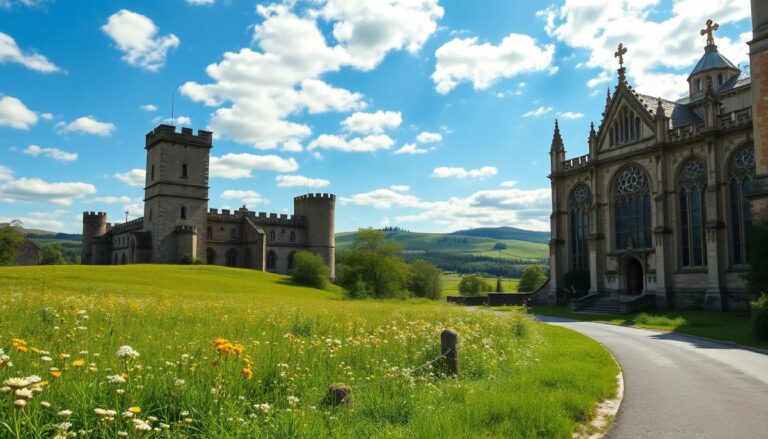
England is a country rich in history and culture, where the past and present coexist harmoniously. Its ancient castles, majestic cathedrals, vibrant cities, and scenic countryside offer a diverse array of experiences for both visitors and residents. This article explores the key elements of England’s cultural heritage, its historical impact, and the varied landscapes that characterize this remarkable nation.
The historical significance of England
England’s history spans thousands of years, filled with pivotal events that have influenced not just the nation but the world. The Roman conquest in AD 43 initiated a transformative period, introducing advanced architectural and engineering techniques.
Sites like Bath and Colchester serve as reminders of this legacy, featuring impressive Roman baths and elaborate mosaics.
The medieval era and the rise of the monarchy
The medieval period marked the emergence of the English monarchy, a key player in shaping the nation.
Landmarks such as the Tower of London and Windsor Castle reflect the power struggles and political dynamics of that era. The signing of the Magna Carta in 1215 represented a turning point in English history, establishing the foundations for modern democracy and the rule of law.
With the dawn of the Renaissance, England evolved into a center of artistic and intellectual progress. Influential figures like William Shakespeare and Christopher Marlowe revolutionized English literature. Meanwhile, the Tudor dynasty broadened England’s global influence, paving the way for the eventual rise of the British Empire.
Understanding England’s cultural landscape
England’s culture reflects its rich history, shaped by various influences and traditions. The arts play a crucial role in society, featuring a vibrant theatre scene, world-class museums, and a thriving music industry. London’s West End is famous for its theatrical productions, drawing millions of visitors annually.
Literature and the arts
Literature serves as a cornerstone of English culture. The works of the Brontë sisters and the novels of Charles Dickens provide insights into societal changes and challenges throughout history. Furthermore, institutions like the British Museum and the National Gallery house some of the world’s most significant art collections, showcasing the evolution of artistic expression across centuries.
England’s music scene has produced legendary artists and bands that have significantly influenced the global landscape. From the Beatles to Adele, English musicians have consistently redefined creativity and innovation in music.
The breathtaking landscapes of England
In addition to its rich cultural and historical significance, England is celebrated for its stunning natural scenery. The rugged peaks of the Lake District contrast with the tranquil shores of Cornwall, showcasing a diverse array of breathtaking landscapes. The Peak District, recognized as the first national park in the UK, offers numerous outdoor activities, including hiking, rock climbing, and cycling.
Coastal beauty and rural charm
England’s coastline is renowned for its charming seaside towns and dramatic cliffs. Destinations such as Brighton and Scarborough attract visitors seeking the quintessential British seaside experience. The White Cliffs of Dover stand as an iconic symbol of England’s resilience and strength.
Conversely, England’s rural landscapes, characterized by rolling hills and picturesque villages, provide a peaceful retreat from urban life. The Cotswolds, with its honey-colored stone cottages and vibrant gardens, exemplifies the charm of the English countryside.
England is a nation rich in history and culture, offering a diverse array of experiences for exploration. Historical landmarks, a vibrant arts scene, and stunning landscapes await visitors. From the bustling streets of London to the serene beauty of the countryside, England provides something for everyone to enjoy.
