

Explore England's Rich Culture and History with Us!
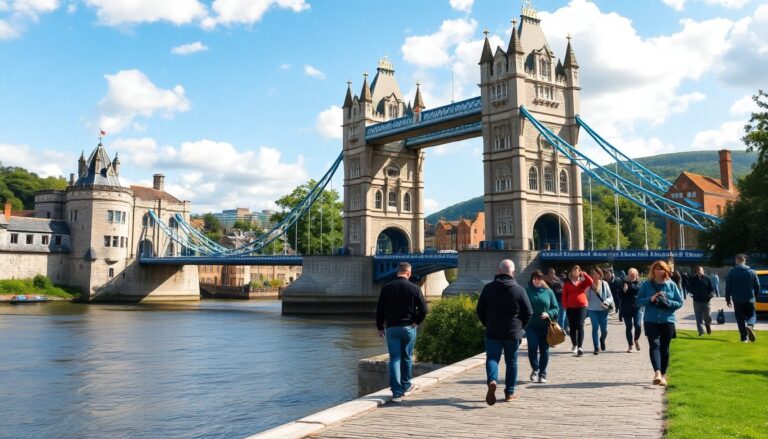
England, a country rich in history and culture, captivates visitors with its remarkable landmarks, traditions, and the stories that have shaped its identity. From the majestic Tower of London to the serene beauty of the Cotswolds, England offers a diverse range of experiences for both locals and tourists.
This article explores the rich cultural heritage of England, highlighting its historical significance and ongoing influence on contemporary society.
The historical narrative of England
England’s history stretches back thousands of years, with roots tracing back to prehistoric times. The Roman invasion in 43 AD marked a significant turning point, bringing about profound changes in infrastructure, governance, and culture.
The remnants of this era are still evident today, with sites like Hadrian’s Wall and the Roman baths in Bath serving as reminders of the country’s extensive past.
The medieval era
The medieval period, spanning from the 5th to the late 15th centuries, was characterized by the rise of feudalism and the establishment of powerful monarchies.
Iconic landmarks such as Windsor Castle and York Minster exemplify the architectural prowess of this time. Furthermore, the Magna Carta, signed in 1215, laid the groundwork for modern democracy, underscoring England’s pivotal role in shaping governance.
Art and literature: a cultural cornerstone
England’s contributions to the world of literature and art are unparalleled. The works of renowned authors like William Shakespeare, Charles Dickens, and Jane Austen not only reflect the social norms of their times but also continue to resonate with audiences today. Shakespeare’s plays, in particular, have transcended time, offering insights into the human condition and societal issues.
The influence of the arts
In addition to literature, the realm of visual arts flourished during the Renaissance and Victorian eras. Prominent artists such as J.M.W. Turner and John Constable captured the essence of England’s landscapes, while the Pre-Raphaelite Brotherhood brought a new wave of romanticism to art. Today, institutions like the British Museum and the Tate Modern house vast collections that celebrate this artistic legacy.
Modern England: a blend of tradition and innovation
In contemporary society, England stands as a melting pot of cultures and ideas. The Industrial Revolution of the 18th and 19th centuries propelled the country into a new era of innovation and economic growth, significantly impacting urban life. Today, cities like London serve as global hubs for finance, technology, and culture, attracting talent from around the world.
Despite rapid modernization, England remains deeply connected to its traditions. Events like the Changing of the Guard at Buckingham Palace and the annual Notting Hill Carnival reflect the nation’s rich cultural tapestry. These events not only celebrate historical milestones but also promote inclusivity and community spirit.
Education and societal values
Education in England has also played a crucial role in shaping its identity. The establishment of prestigious institutions such as Oxford and Cambridge has fostered a culture of intellectual pursuit and innovation. Furthermore, England’s commitment to diversity and inclusion is evident in its policies and societal values, creating an environment where various cultures coexist and thrive.
England’s rich history and vibrant culture are testaments to its resilience and adaptability. From its ancient roots to its modern innovations, England continues to inspire and captivate people around the globe. Whether through its remarkable historical sites, literary legacy, or contemporary cultural events, the essence of England remains an enduring force that contributes to the world’s cultural landscape.
