

Marwan Barghouti's son emphasizes critical issues regarding his father's health and safety.
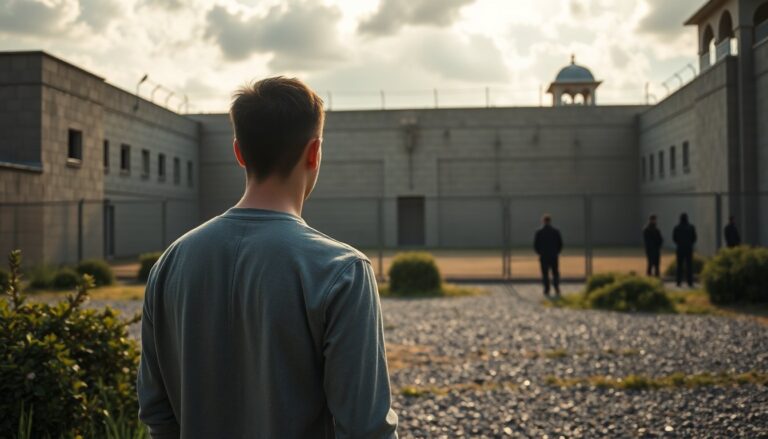
Statements from Marwan Barghouti’s son have raised serious concerns regarding his father’s well-being. Barghouti, a prominent Palestinian political figure, has been incarcerated for years. His son has expressed deep fears about the potential dangers his father faces while in custody.
This concern emerges amid escalating tensions and unrest.
The plight of political prisoners often remains overlooked in discussions about conflict. However, the situation of Barghouti is particularly alarming given the current political climate. His son’s remarks reflect not only personal anxiety but also a broader sentiment among families of prisoners in similar predicaments.
Political context and implications
The political landscape surrounding Marwan Barghouti’s imprisonment is intricate. As a leading figure in the Palestinian resistance, Barghouti’s legacy is closely tied to the struggle for Palestinian rights. His son’s statements highlight that the implications of his father’s situation extend beyond personal hardship; they touch on national identity and political aspirations.
Widespread concern for political prisoners
Barghouti’s son is not alone in his worries. Families of other political prisoners share similar fears, as reports of mistreatment and inhumane conditions in prisons circulate. Human rights organizations have raised alarms regarding the treatment of inmates, often including harsh conditions and inadequate medical care. These issues have intensified the focus on the need for reform in the treatment of political prisoners, particularly those with significant political backgrounds.
International reactions and responses
The international community has increasingly recognized the plight of prisoners like Marwan Barghouti. Advocacy groups have called for greater accountability from authorities, emphasizing that the treatment of political prisoners is a matter of human rights. Such interventions are critical, especially considering the historical context of the Palestinian struggle.
The role of media in shaping narratives
Media coverage plays a crucial role in shaping public perception of political prisoners. The portrayal of individuals like Barghouti can influence international opinion and pressure governments to act. Thus, his son’s heartfelt remarks are essential not only for raising awareness but also for fostering dialogue about the conditions faced by political prisoners.
As the situation evolves, the significance of continued advocacy cannot be overstated. Barghouti’s son’s fears resonate with a universal concern for human rights and dignity, transcending borders and political affiliations. The emotional weight of his words reminds us that behind every political statement lies a family grappling with uncertainty and fear.
The call for justice and humane treatment of political prisoners must resonate within both local and global contexts. The legacy of leaders like Marwan Barghouti is not merely a matter of political strategy but a testament to the ongoing struggle for human rights and dignity in the face of oppression.
