

Explore the Evolution of Sports: From Ancient Traditions to Modern Spectacles Gain insights into the transformative journey of sports throughout history, examining how ancient practices have shaped contemporary athletic events. Uncover the cultural significance, technological advancements, and societal impacts that have influenced the evolution of sports into the dynamic spectacles we enjoy today.
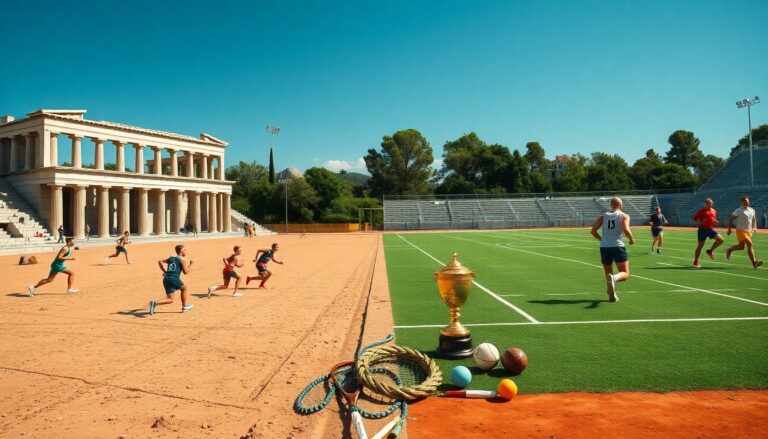
The world of sport has experienced significant transformations throughout history. From the ancient Olympic Games in Greece to today’s athletic competitions, sports have played a crucial role in shaping cultures and societies. This article explores the historical evolution of sport, highlighting key milestones, the impact of technology, and the growing significance of sports in the contemporary world.
The origins of sport: ancient civilizations
Sporting activities can be traced back to ancient civilizations, often linked to religious rituals and community gatherings. The Olympics, held in Olympia, Greece, beginning in 776 BC, is one of the earliest examples of organized sports.
Athletes competed in events such as running, wrestling, and boxing, with winners receiving olive wreaths as prizes. These games were not merely athletic competitions; they fostered unity among the Greek city-states.
Similarly, ancient Egyptians and Chinese societies engaged in various forms of sport, including archery and martial arts.
These activities were integral to military training and societal cohesion, demonstrating that sports have long been intertwined with human culture and development.
The impact of the Roman Empire
The rise of the Roman Empire marked a new era in sports, characterized by gladiatorial contests and public spectacles. These events were held in grand arenas, such as the Colosseum, where thousands gathered to watch combatants fight for survival. While these practices might seem brutal by today’s standards, they reflected the values and entertainment preferences of the time.
Moreover, the Romans contributed to the infrastructure necessary for sports, building stadiums and developing rules for various games. This laid the groundwork for organized sports as we know them today, emphasizing the importance of discipline and competition in athletic pursuits.
The modern era: a global phenomenon
The modern era of sports began in the 19th century with the establishment of formal rules and governance in various sports. The creation of organizations such as the International Olympic Committee (IOC) in 1894 and the first modern Olympics in 1896 marked a significant turning point. This revival of the Olympics highlighted the global appeal of sports and the desire to promote peace and friendship among nations through athletic competition.
As the 20th century progressed, sports evolved into a global phenomenon, with the emergence of professional leagues and international competitions. The FIFA World Cup, established in 1930, became one of the most-watched sporting events worldwide, illustrating the unifying power of sport across different cultures and nations.
The role of technology in sports
In recent decades, the influence of technology on sports has been profound. Innovations such as instant replay, performance analytics, and advanced training equipment have transformed how athletes train and compete. For instance, athletes now utilize data analytics to optimize their performance and make informed decisions during competitions.
Moreover, the rise of social media has changed how fans engage with their favorite sports, creating communities that transcend geographical boundaries. This digital transformation not only enhances the fan experience but also provides athletes with platforms to build their brands and connect directly with supporters.
The significance of sports in contemporary society
Today, sports play a vital role in society, promoting physical health, teamwork, and social cohesion. Major sporting events, such as the Olympics and World Cups, unite people from diverse backgrounds, fostering a sense of belonging and shared identity. Furthermore, sports serve as a platform for addressing social issues, empowering athletes to advocate for change on critical topics such as equality, mental health, and environmental sustainability.
Sporting activities can be traced back to ancient civilizations, often linked to religious rituals and community gatherings. The Olympics, held in Olympia, Greece, beginning in 776 BC, is one of the earliest examples of organized sports. Athletes competed in events such as running, wrestling, and boxing, with winners receiving olive wreaths as prizes. These games were not merely athletic competitions; they fostered unity among the Greek city-states.0
