

Investigate the significant impact of incidents on local communities and their social dynamics.
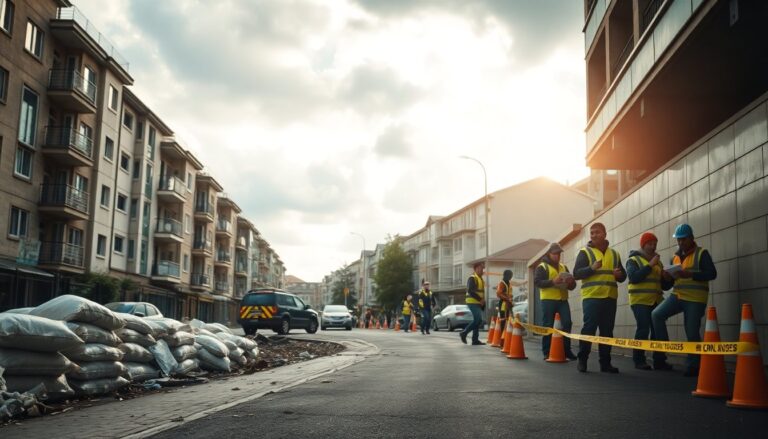
Incidents, whether they involve natural disasters, accidents, or social upheavals, can have profound impacts on communities. This article explores the complex effects these events can impose on local populations, focusing on both immediate and long-term repercussions. By examining various case studies, we aim to understand how incidents reshape societal dynamics, influence local governance, and alter community resilience.
The immediate effects of incidents
When an incident occurs, the immediate aftermath often results in shock and confusion within the affected community. The emergency response is vital in mitigating further damage and providing essential support. During this phase, community members may experience heightened vulnerability and fear, disrupting the social fabric.
The psychological impact of incidents is profound, as individuals grapple with the emotional toll of witnessing or experiencing traumatic events.
Case study: Natural disasters
Natural disasters, such as hurricanes or earthquakes, exemplify how incidents can rapidly alter community dynamics. For example, the aftermath of Hurricane Katrina demonstrated extensive displacement of residents and the strain on local resources.
Communities faced significant challenges in rebuilding, both physically and emotionally, as many residents lost their homes, livelihoods, and sense of security. In such cases, community resilience is tested, prompting a reevaluation of local governance structures and emergency preparedness strategies.
The long-term consequences of incidents
Beyond immediate effects, incidents can lead to long-term societal changes. These changes may manifest in various forms, including economic shifts, changes in population demographics, and alterations in community identity. Following an incident, a community may experience an influx of external aid organizations, which can help or hinder local recovery efforts. While these organizations provide critical resources, they may also inadvertently disrupt local economies or social networks.
Economic implications
The economic implications of incidents can be significant and far-reaching. Communities often face increased unemployment rates and decreased property values. After an incident, businesses may shut down or relocate, resulting in job losses and economic instability. Additionally, recovery costs can strain local budgets, forcing governments to make difficult decisions regarding funding for essential services. This economic disruption can lead to a cycle of poverty and instability, particularly in vulnerable communities.
Community resilience and adaptation
Despite the challenges posed by incidents, communities frequently find ways to adapt and recover. The concept of community resilience refers to the ability of a community to withstand, recover from, and adapt to adverse situations. Building resilience involves enhancing local resources, strengthening social networks, and promoting community engagement. Successful recovery efforts often rely on collaboration among various stakeholders, including local governments, non-profit organizations, and community members.
Strategies for building resilience
To foster resilience, communities can implement several strategies. First, investing in education and training programs can empower residents with the skills needed to respond effectively to incidents. Additionally, developing strong communication channels and emergency management plans can enhance community preparedness. Engaging residents in recovery efforts encourages ownership and fosters a sense of unity. Moreover, promoting mental health resources is crucial for helping individuals cope with the emotional aftermath of incidents.
Incidents shape communities in profound ways, influencing their social, economic, and emotional landscapes. Understanding the immediate and long-term effects of these occurrences can help communities better prepare for and respond to future challenges. By fostering resilience and promoting collaborative recovery efforts, communities can navigate the aftermath of incidents more effectively and emerge stronger than before.
