

Exploring the Rich Tapestry of the UK's Cultural Heritage.
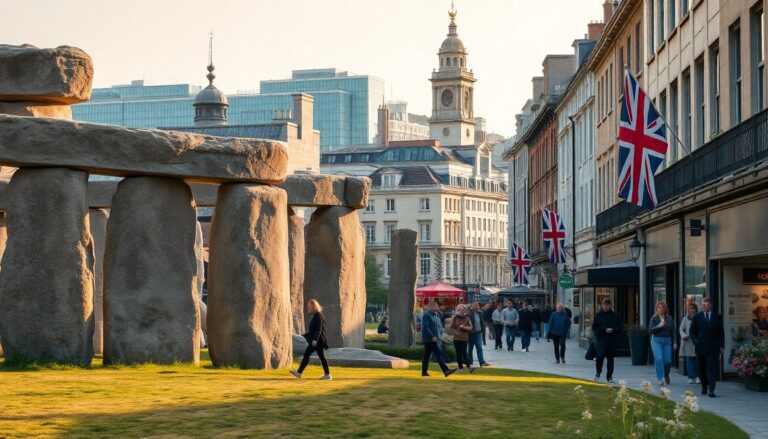
The United Kingdom is a nation with a complex and fascinating history, rich in cultural diversity. From its ancient neolithic monuments to contemporary urban environments, the UK presents a mosaic of influences. To grasp the cultural history of the UK, one must appreciate its past and explore how various factors have shaped its current identity.
The historical roots of the UK
The history of the UK spans thousands of years, characterized by pivotal events and cultural transformations. The earliest inhabitants were hunter-gatherers, who traversed the landscape during the Stone Age. Archaeological sites like Stonehenge offer crucial insights into these ancient societies and their spiritual practices.
The Roman influence
In 43 AD, the Romans invaded Britain, bringing military strength alongside their engineering skills and cultural customs. The founding of towns like London (known as Londinium) and the development of roads enhanced trade and communication across the region.
The Roman influence on the UK remains visible today, from Roman architecture to the incorporation of Latin terms into the English language.
Medieval to modern times
After the Romans withdrew in the 5th century, the UK entered a period referred to as the Dark Ages. This time was marked by tribal conflicts and the growing influence of Christianity. The medieval era that followed brought about the emergence of powerful kingdoms, the rise of feudalism, and the building of castles. The Magna Carta, signed in 1215, was a pivotal document that began to lay the groundwork for democracy in the UK.
The Renaissance and its effects
The Renaissance, which began in the late 15th century, represented a pivotal cultural awakening in the UK. This period was marked by remarkable artistic and intellectual achievements. Notable figures such as William Shakespeare and Christopher Marlowe played crucial roles in redefining literature, expanding the boundaries of creative expression.
The advent of the printing press was a game changer. It facilitated the rapid dissemination of ideas and knowledge, significantly contributing to rising literacy rates among the general population. This surge in literacy opened doors for more individuals to engage with literature, science, and philosophy, further enriching the cultural landscape of the time.
Modern cultural landscape
The UK presents a dynamic mix of tradition and modernity. The Industrial Revolution of the 18th and 19th centuries established the UK as a leader in global manufacturing. This period triggered significant urbanization and societal transformations that continue to resonate today.
In the present day, the UK remains a cultural powerhouse. Its music scene, featuring icons such as The Beatles and Adele, has left an indelible mark on the global music landscape. Moreover, the nation boasts esteemed institutions like the British Museum and the Royal Academy of Arts, which play vital roles in celebrating and preserving its rich cultural heritage.
Multicultural influences
The UK serves as a melting pot of cultures, shaped by its history of immigration and colonialism. This multicultural landscape is evident in its cuisine, festivals, and arts. Major cities like London and Birmingham showcase their diverse populations, offering a variety of cultural experiences. The blend of different cultural elements has given rise to events such as the Notting Hill Carnival, which celebrates Caribbean culture and heritage.
The cultural history of the UK presents a complex narrative that intertwines ancient traditions with contemporary influences. Appreciating this history enhances the understanding of its current cultural dynamics, highlighting how the past continues to influence the present. As the UK progresses, its capacity to embrace diversity will play a crucial role in its cultural evolution.
