

Hamas's recent activities indicate a multifaceted ceasefire negotiation with Israel, highlighting significant humanitarian issues at play.
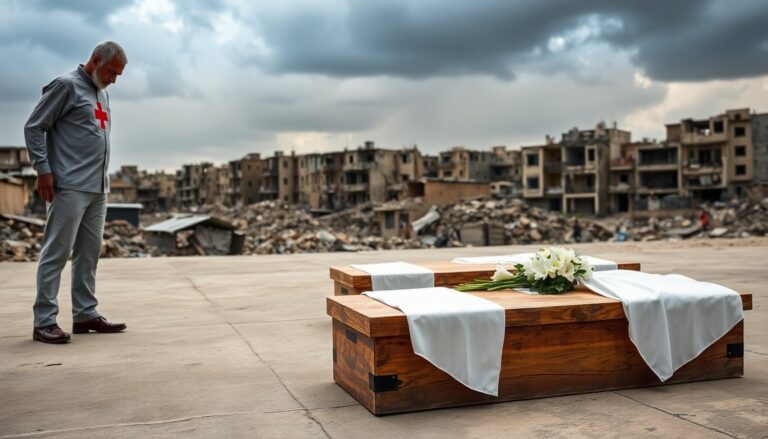
In a significant development late on Saturday, the military of Israel reported that Hamas has delivered two coffins containing the remains of deceased hostages to the Red Cross. This transfer is part of a broader effort under a ceasefire agreement aimed at alleviating two years of conflict.
As the situation evolves, Israel has intensified its demands on Hamas for the expedited release of the remaining hostages’ remains. This action aligns with ongoing negotiations to stabilize the ceasefire, which has been in effect for over a week.
Current situation regarding hostages and remains
To date, Hamas has surrendered the remains of 12 out of the 28 hostages reported dead in Gaza. The militant group cites the widespread devastation and Israeli military presence in certain areas of Gaza as factors complicating the handover process.
As the ceasefire unfolds, the urgent call for clarity and urgency in the recovery of these remains is evident.
Rafah crossing update
Earlier on Saturday, Israel announced that the Rafah crossing, Gaza’s only gateway to the outside world that is not under Israeli control, would remain shut “until further notice.” This decision ties closely to the ongoing discussions surrounding the release of remains. Previously, there were indications that the crossing might reopen on a specific day.
The Rafah crossing has been closed since May 2024 following Israel’s takeover of the Gaza side, which has made it increasingly difficult for residents to access essential services, travel internationally, or reunite with family members across the border in Egypt.
Ongoing humanitarian crisis in Gaza
The humanitarian toll in Gaza continues to rise, with the Health Ministry reporting over 68,000 Palestinian casualties since the hostilities escalated. This figure includes both civilians and combatants, though the ministry does not distinguish between the two. Their records are generally regarded as reliable by various UN agencies and independent monitors, although Israel disputes these numbers without providing alternative statistics.
Impact of Israeli operations
The conflict’s turning point came on October 7, 2023, when Hamas-led militants launched an attack on southern Israel, resulting in the deaths of approximately 1,200 individuals, the majority of whom were civilians. In the aftermath, 251 individuals were reported as abducted. The situation has led to heightened military responses from Israel aimed at neutralizing threats and recovering hostages.
Recently, the remains of Eliyahu Margalit, a 75-year-old victim of the October attack, were identified and returned to his family. His abduction from Kibbutz Nir Oz during the assault has been a source of profound grief. His body marks the 10th return of a hostage since the ceasefire began, bringing a mix of relief and sorrow to the families involved.
Continued challenges and negotiations
The return of hostages’ remains is not merely a procedural issue; it stands as a pivotal point in the ceasefire negotiations. The hostage forum, a collective advocating for the families affected, expressed that while the return of Mr. Margalit’s remains offers some comfort, their efforts will persist until all 18 remaining hostages are accounted for.
Moreover, the forum has organized weekly rallies to maintain public awareness and pressure on authorities to expedite the recovery process. The situation is further complicated by ongoing warnings from international leaders, including U.S. President Donald Trump, which have underscored the urgent need for compliance with the terms of the ceasefire agreement.
Humanitarian aid efforts
As the situation evolves, Israel has intensified its demands on Hamas for the expedited release of the remaining hostages’ remains. This action aligns with ongoing negotiations to stabilize the ceasefire, which has been in effect for over a week.0
As the situation evolves, Israel has intensified its demands on Hamas for the expedited release of the remaining hostages’ remains. This action aligns with ongoing negotiations to stabilize the ceasefire, which has been in effect for over a week.1
