

Analyzed the complexities of a pivotal incident and assessed its long-term impacts.
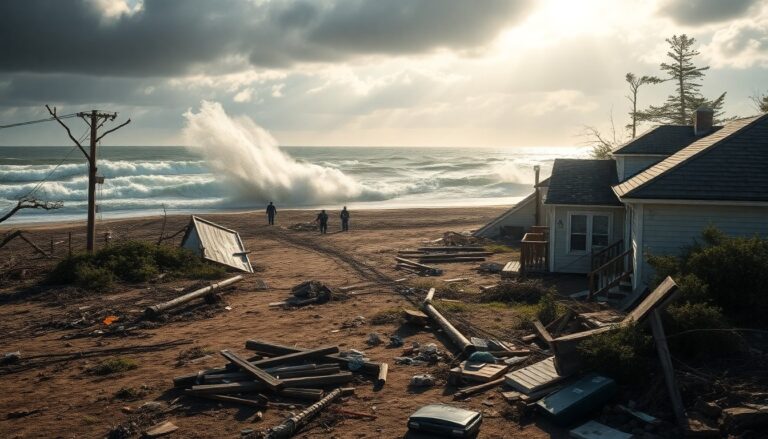
In an increasingly interconnected world, incidents such as natural disasters, technological failures, and social upheavals have far-reaching implications. These events disrupt daily life and challenge our understanding of resilience and preparedness. This article examines a recent significant incident, exploring its causes, effects, and the lessons learned to better inform future responses.
The trending moment: A case study
Consider the recent hurricane that struck the eastern coast of the United States. This incident serves as a crucial case study in understanding the impacts of natural disasters. Hurricanes, known for their strong winds and heavy rainfall, can devastate communities, infrastructure, and ecosystems.
The National Oceanic and Atmospheric Administration (NOAA) reported that the hurricane caused extensive damage, leaving thousands without power and resulting in significant economic losses.
Expert insights: Causes of the incident
The root causes of this hurricane stem from a combination of environmental factors.
Climate change plays a significant role in the increasing intensity and frequency of such storms. Warmer ocean temperatures provide more energy for hurricanes, leading to stronger storms. Additionally, the El Niño phenomenon can influence weather patterns, potentially exacerbating the impacts of hurricanes.
Urban development also contributes to the severity of the damage. Cities with poor drainage systems or those built in flood-prone areas are particularly vulnerable. Outdated infrastructure often worsens the effects of such incidents, highlighting the importance of robust urban planning and disaster preparedness in mitigating future consequences.
Consequences of the incident
The aftermath of the hurricane was marked by widespread devastation and a lengthy recovery process. Communities faced not only physical destruction but also emotional and psychological challenges. The disruption of daily life, loss of homes, and uncertainty about recovery can lead to increased stress and anxiety among residents. This situation underscores the need for comprehensive support systems to assist communities in coping with the aftermath of such incidents.
The economic impact
The economic ramifications of the hurricane were profound. The immediate recovery costs, including repairs to homes and infrastructure, were estimated in the billions. Small businesses, often the backbone of local economies, suffered significant losses due to property damage and operational disruptions. Long-term effects included shifts in employment rates and potential declines in property values in affected areas. Understanding these economic impacts is crucial for policymakers to develop effective recovery plans.
Lessons learned and future implications
Every incident provides valuable lessons that can inform future preparedness and response strategies. One key takeaway from this hurricane is the importance of early warning systems and community education. Effective communication can save lives and reduce injuries during such events. Moreover, fostering community resilience through training and resources is essential for building a strong foundation against future incidents.
Investment in infrastructure is critical. Modernizing drainage systems and reinforcing buildings can significantly reduce the damage caused by natural disasters. Policymakers must recognize the importance of these investments in safeguarding communities against future incidents.
Addressing the root causes of climate change is imperative. As the frequency and intensity of natural disasters rise, it is vital for governments, organizations, and individuals to collaborate in mitigating climate change and its impacts. Sustainable practices and policies can help create a more resilient future.
Understanding the complexities of incidents like hurricanes is essential for enhancing our preparedness and response strategies. By analyzing the causes, consequences, and lessons learned from such events, we can work towards creating a safer and more resilient society.
