

Investigate the significant effects of incidents on individuals and communities.
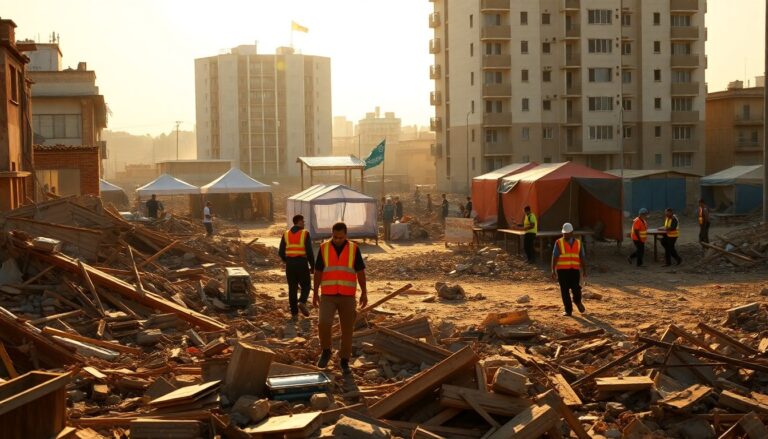
Incidents, ranging from natural disasters to social upheavals, can leave lasting impressions on individuals and communities. The effects of incidents can ripple through society, influencing policy changes, community dynamics, and personal lives. This article explores the various types of incidents, their impacts, and how communities can respond and recover.
Understanding incidents and their types
Incidents can be broadly categorized into three main types: natural incidents, human-made incidents, and social incidents. Recognizing these categories aids in analyzing their specific impacts on society.
Natural incidents
Natural incidents encompass events such as earthquakes, hurricanes, floods, and wildfires.
These unpredictable events can lead to significant loss of life, property damage, and disruptions to daily life. For instance, a devastating earthquake can result in infrastructure collapse, creating a humanitarian crisis. Survivors often face profound psychological effects, leading to long-term trauma.
Human-made incidents
Human-made incidents refer to events arising from human actions or negligence, such as industrial accidents, terrorist attacks, or mass shootings. These events often provoke outrage and disbelief within communities. For example, a terrorist attack not only inflicts immediate physical harm but also instills fear, prompting changes in security policies. The long-term consequences can include increased surveillance, altered community trust, and heightened anxiety among citizens.
Impacts of incidents on individuals and communities
The impacts of incidents are multifaceted, affecting emotional, social, and economic aspects of life. Individuals may encounter psychological challenges such as post-traumatic stress disorder (PTSD), anxiety, or depression following an incident. Communities may experience disruptions in social cohesion, leading to a breakdown of trust among residents.
Emotional and psychological effects
The emotional toll of incidents can be severe. Individuals directly affected often report feelings of fear, loss, and helplessness. For instance, victims of a mass shooting may experience vulnerability, altering their daily routines and increasing caution in public spaces. Long-term psychological effects may necessitate mental health support and community programs aimed at building resilience.
Social and economic repercussions
Socially, incidents can shift community dynamics, eroding trust and fostering feelings of isolation. Economically, the repercussions can be equally devastating. A natural disaster, for example, can devastate a local economy, resulting in job losses and business closures. The rebuilding costs can strain local governments, potentially leading to increased taxes or cuts in services.
Community responses and resilience
Despite the challenges posed by incidents, communities often display remarkable resilience. Effective community responses can mitigate the negative impacts of incidents. This includes emergency preparedness, community engagement, and support systems. Communities with established emergency response plans and training programs are often better equipped to manage disasters, minimizing damage and aiding recovery.
Building resilience through preparedness
Preparedness is essential for resilience. Communities benefit from regular drills, public awareness campaigns, and collaboration with local agencies. By fostering a culture of preparedness, residents become better equipped to handle incidents when they occur. This proactive approach saves lives and strengthens community bonds as individuals unite to support one another.
Support systems and community engagement
Support systems are critical for recovery. Community organizations, mental health services, and local government initiatives can provide necessary resources to those affected by incidents. Engaging the community in recovery efforts fosters a sense of belonging and collective healing. For example, local groups may organize fundraisers or support networks after a devastating event, reinforcing social ties.
Incidents can be broadly categorized into three main types: natural incidents, human-made incidents, and social incidents. Recognizing these categories aids in analyzing their specific impacts on society.0
