

Bernie Sanders Advocates for Economic Equality at Major Rally Against Trump and the Ultra-Wealthy At a significant rally, Bernie Sanders passionately addressed the pressing issues of economic inequality and the influence of the ultra-wealthy on American politics. Sanders emphasized his commitment to fighting against policies that favor the rich and called for reforms that prioritize the needs of the working class. His message resonated with the crowd as he outlined his vision for a fairer...
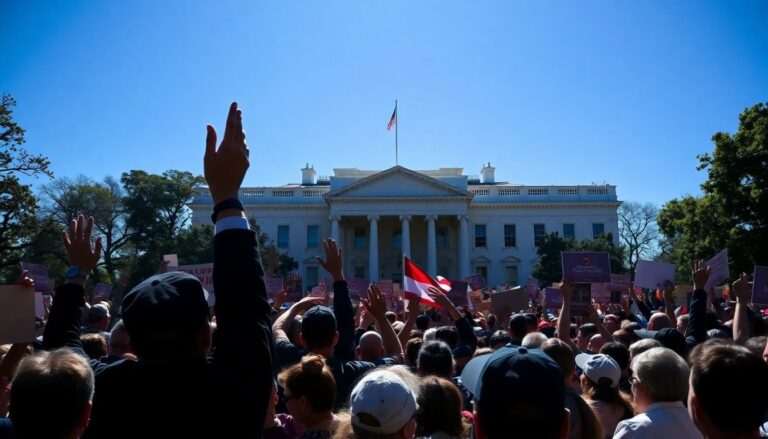
In a significant display of political dissent, Senator Bernie Sanders addressed a crowd of thousands in Washington, D.C., during the ‘No Kings’ rally. This event provided Sanders with a platform to voice his concerns regarding the increasing wealth disparity in America, focusing particularly on the influence of billionaires and the current administration.
The rally, held near the White House, was part of a broader wave of protests. Similar demonstrations took place in cities nationwide, indicating a collective demand for change and accountability from those in power.
Protests against wealth inequality
During the rally, Sanders underscored the necessity of a political system that serves the many, rather than just the privileged few.
He condemned the corrosive influence of money in politics, asserting that it undermines democracy and silences ordinary citizens. “We cannot allow the wealthiest individuals to dictate the future of our country,” he stated emphatically.
His comments struck a chord with attendees, many of whom carried signs and chanted slogans that criticized the policies of the current administration.
The atmosphere was charged with urgency as participants demanded systemic change.
Nationwide solidarity
The ‘No Kings’ rally was part of a larger movement that included protests in cities like New York, where demonstrators filled the streets, echoing the sentiments expressed in D.C. The timing of these events coincided with significant national issues, amplifying the message against the Trump administration.
In New York, the protests showcased a vibrant display of unity among various activist groups, all advocating for a more equitable society. The protesters voiced a growing frustration with the status quo, emphasizing their unwillingness to remain silent.
Global implications and local impacts
Amid these protests, other significant global events were also unfolding, particularly in regions like Gaza. The exchange of remains between Israel and Hamas under a new ceasefire highlighted ongoing humanitarian crises that require international attention. Local protests often intersect with global issues, reflecting the interconnectedness of various struggles.
Ukrainian President Volodymyr Zelenskyy also reached out to Trump regarding the situation in Gaza, further complicating the political landscape. His request for assistance in addressing Russia’s ongoing war adds another layer to discussions surrounding international relations and humanitarian aid.
Voices from Gaza
In Gaza, the reopening of the Sayed al-Hashim mosque after two years symbolizes a flicker of hope amidst adversity. As communities begin to heal, a sense of fear and uncertainty lingers, with families anxiously awaiting news of their loved ones. Marwan Barghouti’s son expressed concerns for his father’s safety, illustrating the human cost of ongoing conflicts and the urgent need for resolution.
These incidents reflect a broader narrative of struggle and resilience, mirroring the sentiments voiced at the rallies against wealth and political inequality. As Sanders and the protesters called for change, their message not only addressed local issues but also resonated with global challenges faced by countless individuals.
The rally, held near the White House, was part of a broader wave of protests. Similar demonstrations took place in cities nationwide, indicating a collective demand for change and accountability from those in power.0
