

Proposed Tax Increases May Result in Substantial Job Losses in the Gambling Sector
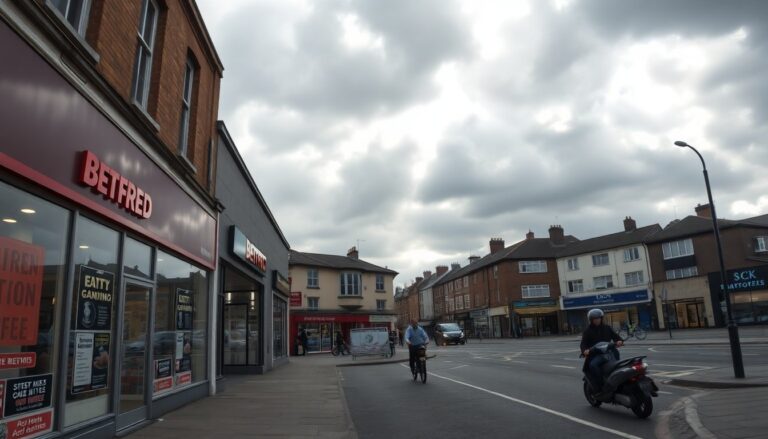
The landscape of high street betting is facing turbulent times as Betfred warns that proposed tax increases on gambling companies could lead to the closure of numerous shops across the UK. Fred Done, the co-founder and chairman of Betfred, has expressed serious concerns over the potential impact of these tax hikes, which he views as the most significant threat in his extensive career spanning 57 years.
With over 1,200 shops and approximately 7,500 employees at stake, the implications of these changes could ripple through local economies, affecting both workers and consumers. Competitors of Betfred share similar sentiments, emphasizing the urgent need to reconsider the proposed tax policies.
Government’s stance on gambling taxation
In response to calls for increased taxation, the Chancellor has indicated a willingness to impose higher taxes on gambling firms. In a recent interview with ITV, she stated, “there is a case for gambling firms paying more…
they should pay their fair share of taxes, and we will ensure that happens.” This statement aligns with former Prime Minister Gordon Brown’s proposal to further tax the gambling sector, suggesting that the additional revenue could address child poverty.
The Institute for Public Policy Research (IPPR) estimated that implementing a bonus tax of up to 50% could generate £3.2 billion. However, this initiative faced backlash from the Betting and Gaming Council, which labeled it “economically reckless,” cautioning that such measures might drive gamblers towards illegal betting markets.
Concerns from industry leaders
In light of the proposed tax increases, other gambling entities have also voiced concerns. Evoke, the owner of William Hill, recently announced the potential closure of 200 outlets if the tax burden increases. Fred Done echoed this sentiment, warning that even moderate tax hikes could lead to significant downsizing in Betfred’s operations.
He elaborated to the BBC, stating, “If taxes were to rise to even 35% or 40%, there would be no profit left in the business, forcing us to shut down operations. We are talking about substantial job losses—around 7,500 positions.” This alarming prediction is compounded by the fact that around 300 of Betfred’s shops are currently operating at a loss, with an increase in taxes potentially raising that figure to 430.
Impact of online gambling and market trends
The shift towards online gambling has further complicated the situation for physical betting shops. As consumers increasingly turn to online platforms, traditional high street locations are becoming less viable. Done highlighted that recent increases in National Insurance Contributions and the minimum wage have already added £20 million to his operational costs, making the high street presence feel increasingly burdensome.
Competitors such as Paddy Power have already begun to make cuts, revealing plans to close 57 outlets in the UK and Ireland due to mounting pressures and market challenges. Last year, despite generating nearly £1 billion in revenue, Betfred’s operating profit stood at a mere £500,000, showcasing the thin margins under which the business operates.
Social implications of gambling
The implications of gambling extend beyond finances, with critics highlighting the social costs associated with the industry. According to the Office for Health Improvement and Disparities, external costs related to gambling surpassed £1 billion. Professor Ashwin Kumar from IPPR argued that higher taxes could serve as a deterrent, particularly because a significant portion of profits is generated by a small, at-risk demographic of gamblers.
In response to rising concerns about gambling among youth, the charity GambleAware has called for stricter regulations to increase awareness of the associated risks. Done asserted that high street betting shops provide essential safeguards and contribute tax revenues in ways that online and offshore competitors do not.
With over 1,200 shops and approximately 7,500 employees at stake, the implications of these changes could ripple through local economies, affecting both workers and consumers. Competitors of Betfred share similar sentiments, emphasizing the urgent need to reconsider the proposed tax policies.0
With over 1,200 shops and approximately 7,500 employees at stake, the implications of these changes could ripple through local economies, affecting both workers and consumers. Competitors of Betfred share similar sentiments, emphasizing the urgent need to reconsider the proposed tax policies.1
