

Explore the Rich Cultural and Historical Landscape of the United Kingdom.
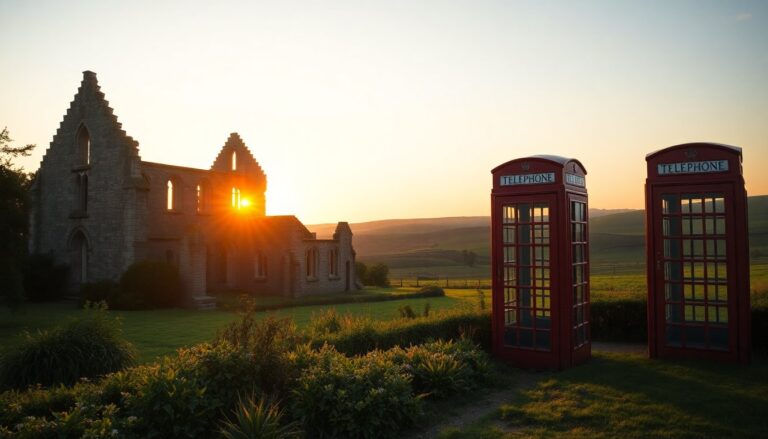
The United Kingdom, often referred to as the UK, comprises England, Scotland, Wales, and Northern Ireland. This island nation boasts a rich cultural heritage shaped over centuries by various influences, including its imperial past, regional identities, and modern globalization. This article explores the complexities of British culture, its historical context, and its ongoing evolution.
The historical backdrop of the United Kingdom
The history of the UK is marked by significant events that have molded its current identity. From the Roman conquest in AD 43 to the Norman invasion in 1066, each era has left an indelible mark on the landscape and culture.
The Industrial Revolution of the 18th and 19th centuries transformed the UK from a primarily agrarian society to an industrial powerhouse, leading to urbanization and new social dynamics.
Colonial legacy and its impact
The British Empire, at its height, was the largest empire in history, encompassing vast territories across Africa, Asia, the Americas, and beyond.
This era of colonialism profoundly influenced not only the nations under British rule but also the UK itself. The influx of diverse cultures, languages, and traditions enriched British society, creating a multicultural landscape that is evident today.
However, this legacy is complex and often contentious. The impacts of colonialism are still felt in contemporary society, sparking discussions about reparations, cultural appropriation, and the need for reconciliation with historical injustices. Understanding this context is crucial for grasping the current social dynamics within the UK.
The richness of British culture
British culture is a melting pot of influences, evident in its art, literature, music, and cuisine. The literary tradition boasts luminaries such as William Shakespeare, Charles Dickens, and Virginia Woolf, whose works have had a lasting impact on global literature.
Art and music in the UK
In the realm of visual arts, the UK has produced renowned artists like J.M.W. Turner and Banksy, whose works challenge societal norms and provoke thought. The music scene is equally vibrant, giving birth to iconic bands such as The Beatles and The Rolling Stones, who not only shaped British culture but also influenced music worldwide.
The UK also celebrates its diverse culinary heritage, which includes traditional dishes like fish and chips and more contemporary fusion cuisines influenced by global migration. This culinary diversity reflects the broader multicultural context of modern Britain, showcasing how the interplay of different cultures enriches the national identity.
Modern challenges and evolutions
As the UK progresses further into the 21st century, it faces various challenges threatening its cultural fabric. Issues such as Brexit, immigration, and social inequality have sparked intense debates about national identity and the UK’s role in a globalized world.
Brexit has particularly raised questions about the UK’s relationship with Europe and the rest of the world. The decision to leave the European Union has profound implications for trade, politics, and cultural exchange, leading to a reevaluation of what it means to be British in a post-Brexit landscape.
The role of technology
Moreover, the advent of technology and the internet has transformed how culture is consumed and shared. The rise of social media platforms has allowed for the democratization of cultural expression, giving a voice to marginalized groups and fostering a more inclusive representation of what it means to be British. This technological shift challenges traditional media while enriching the cultural dialogue.
The history of the UK is marked by significant events that have molded its current identity. From the Roman conquest in AD 43 to the Norman invasion in 1066, each era has left an indelible mark on the landscape and culture. The Industrial Revolution of the 18th and 19th centuries transformed the UK from a primarily agrarian society to an industrial powerhouse, leading to urbanization and new social dynamics.0
