

China Implements New Export Regulations in Strategic Response to U.S. Trade Actions In a significant move to safeguard its economic interests, China has introduced new export regulations aimed at countering recent trade actions taken by the United States. This strategic decision underscores China's commitment to protecting its industry and ensuring a balanced trading environment amid escalating tensions. The revised export rules are expected to influence various sectors and may lead to...
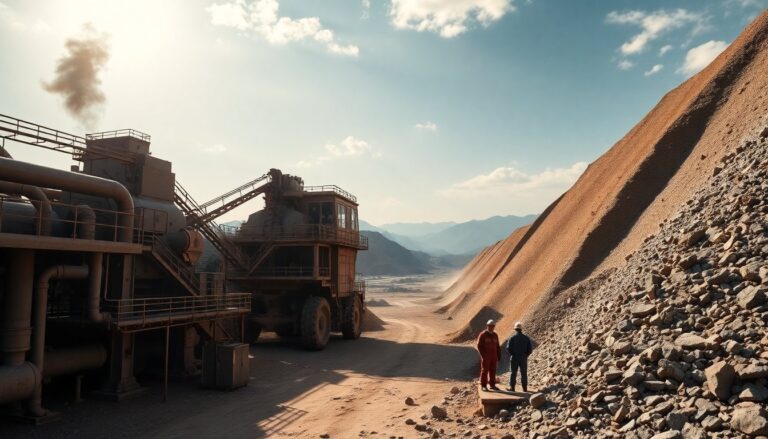
As the trade conflict between the United States and China escalates, both nations are employing various strategies to gain an advantage. In a significant move, China has decided to adopt some tactics previously utilized by the U.S., particularly regarding the export of rare earth elements.
These materials, crucial for numerous high-tech applications, are now subject to more stringent regulations that could greatly impact foreign companies involved in their procurement.
The recent changes in China’s export policy indicate a calculated effort to strengthen its position in the ongoing trade war.
By requiring foreign entities to obtain special approvals for exporting products containing even minimal amounts of materials sourced from China, the nation is asserting greater control over its valuable resources. This action underscores the escalating tensions and the lengths to which both countries are willing to go to protect their economic interests.
Understanding rare earth elements and their significance
Before examining China’s export regulations further, it is essential to understand what rare earth elements are and why they are critical to modern industries. This group of 17 chemical elements, including neodymium, lanthanum, and cerium, is vital for manufacturing electronics, batteries, and advanced military equipment.
The significance of these elements lies in their unique properties, making them indispensable in various technologies. For instance, neodymium is essential for creating powerful magnets used in electric vehicles and wind turbines, while lanthanum is a key component in catalytic converters for automobiles. Thus, controlling the supply chain of these materials can provide a significant competitive advantage.
China’s role in the global rare earth market
China has established itself as a dominant player in the global rare earth market, accounting for a substantial portion of the world’s supply. The country’s vast reserves of these materials have allowed it to maintain a leading position in the production and exportation of rare earth elements.
However, this dominance has not come without controversy. The U.S. and other nations have previously expressed concerns about China’s practices, including environmental issues and the lack of transparency in its pricing mechanisms. Consequently, the United States has sought to diversify its sources of rare earths, aiming to reduce its reliance on Chinese imports.
China’s new regulations and their implications
In light of the ongoing trade war, China’s expanded export regulations serve a dual purpose. These regulations are designed to protect its valuable natural resources and ensure that foreign companies comply with local laws. At the same time, they create barriers for foreign businesses seeking to access these critical materials, potentially disrupting supply chains worldwide.
The requirement for foreign firms to obtain approval for exporting products containing even a trace of Chinese-origin materials could lead to delays and increased costs for companies reliant on these resources. This move reinforces China’s control over its rare earth exports and sends a clear message to the U.S. and other nations about the potential consequences of their trade policies.
Responses from the international community
The international response to China’s new export regulations has been mixed. Some countries view these measures as a legitimate effort to safeguard national interests, while others perceive them as a form of economic coercion. This situation has led to calls for a more collaborative approach to trade and resource management, promoting transparency and fair competition.
As the trade war continues to evolve, it remains unclear how these regulations will affect global markets and diplomatic relations. Countries heavily reliant on rare earth elements may need to reassess their strategies and invest in alternative sources or develop technologies to reduce their dependency on these materials.
The future of trade and resource management
The recent changes in China’s export policy indicate a calculated effort to strengthen its position in the ongoing trade war. By requiring foreign entities to obtain special approvals for exporting products containing even minimal amounts of materials sourced from China, the nation is asserting greater control over its valuable resources. This action underscores the escalating tensions and the lengths to which both countries are willing to go to protect their economic interests.0
