

Analyzed the significant impact of incidents on community dynamics and social interactions.
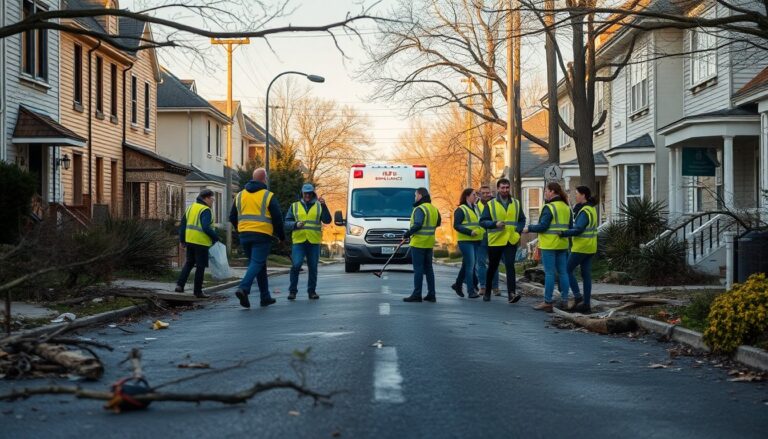
Incidents can range from natural disasters to public disturbances, and their repercussions resonate deeply within communities. Understanding the impact of these events is crucial for developing effective response strategies and fostering resilience in affected populations. A comprehensive analysis reveals how incidents disrupt daily life and reshape community structures, relationships, and responses.
The immediate effects of incidents
When an incident occurs, the immediate aftermath can be chaotic and disorienting. Communities often experience a surge in anxiety and uncertainty as residents grapple with the reality of the situation. During this time, strong leadership becomes vital.
Local authorities must act swiftly to provide emergency services and facilitate recovery efforts. The effectiveness of these actions can significantly influence the community’s overall response.
Psychological impact on residents
The psychological toll on individuals can be profound. Trauma can manifest through increased rates of anxiety, depression, and post-traumatic stress disorder (PTSD).
It is essential for communities to recognize these psychological impacts and provide appropriate support systems. Mental health resources, such as counseling and community support groups, become critical in helping residents navigate their feelings and regain a sense of normalcy.
Long-term consequences of incidents
Beyond the immediate aftermath, incidents can lead to significant long-term changes within a community. The fabric of social relationships may shift as individuals and families reassess their priorities and connections. For instance, a natural disaster may prompt residents to form new alliances based on shared experiences of recovery, leading to stronger community ties.
Economic implications
The economic impact of incidents cannot be overlooked. Damage to infrastructure, businesses, and homes can lead to a decline in local economies. Insurance claims and government aid become pivotal in rebuilding efforts. Communities often need to adapt by seeking new economic opportunities or diversifying local industries to prevent future vulnerabilities.
Moreover, incidents can catalyze a shift in community planning and development. For example, cities may implement stricter building codes or invest in disaster preparedness programs to mitigate future risks. These changes reflect a community’s resilience and ability to adapt in the face of adversity.
Community resilience and recovery
Recovery from an incident is a complex process that requires collaboration among various stakeholders, including local governments, non-profits, and residents. Building a resilient community means fostering an environment where individuals feel empowered to contribute to recovery efforts. This sense of ownership can lead to innovative solutions that address both immediate needs and long-term recovery goals.
Mobilizing community resources
One effective strategy is mobilizing local resources and talents. Community organizations can play a pivotal role in coordinating volunteer efforts, fundraising, and providing essential services. By leveraging local assets, communities can enhance their resilience and expedite the recovery process.
Furthermore, sharing information is critical. Open communication channels allow residents to stay informed about recovery efforts, available resources, and ongoing challenges. When individuals feel connected and informed, their ability to contribute positively to recovery efforts increases.
Incidents have a profound impact on communities. From immediate psychological effects to long-term economic consequences, the ripple effects are significant. However, through effective leadership, community mobilization, and resilience-building initiatives, communities can navigate these challenges and emerge stronger. Understanding the multifaceted nature of incidents empowers communities to prepare for, respond to, and recover from future events.
